Resin Bond Diamond Grinding Wheel
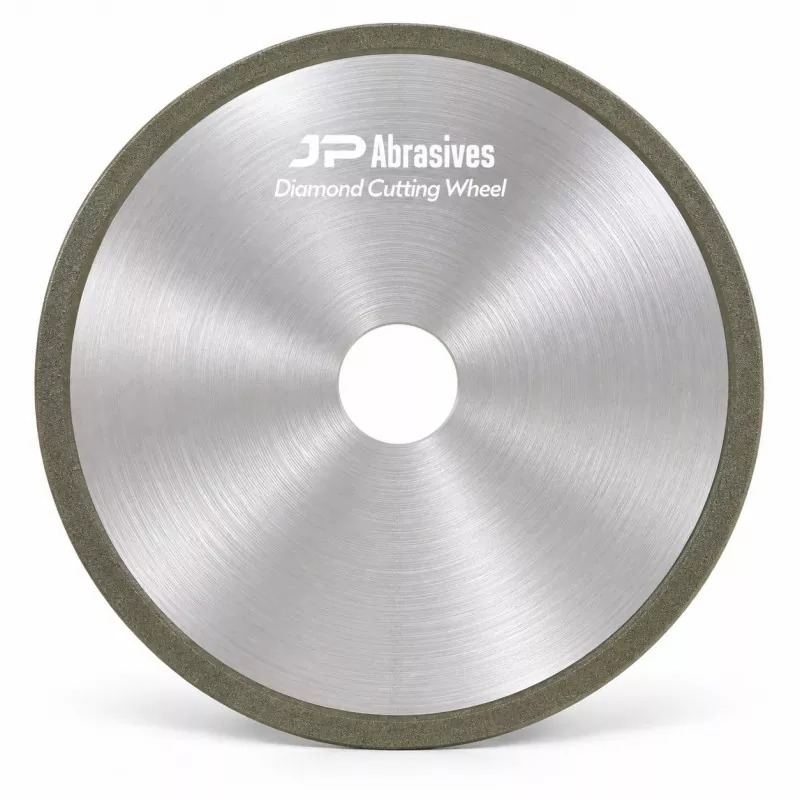
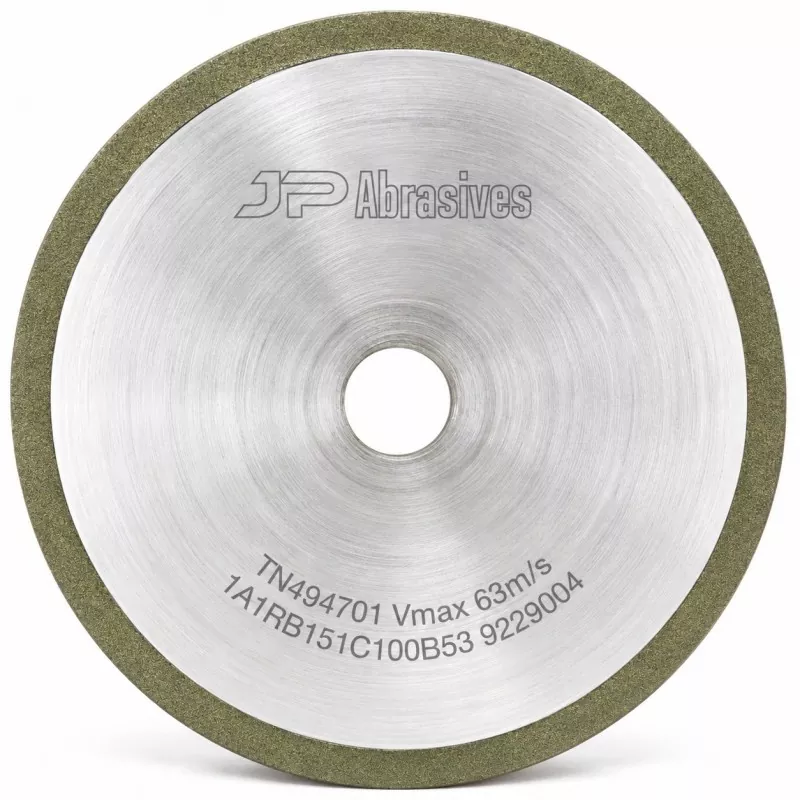
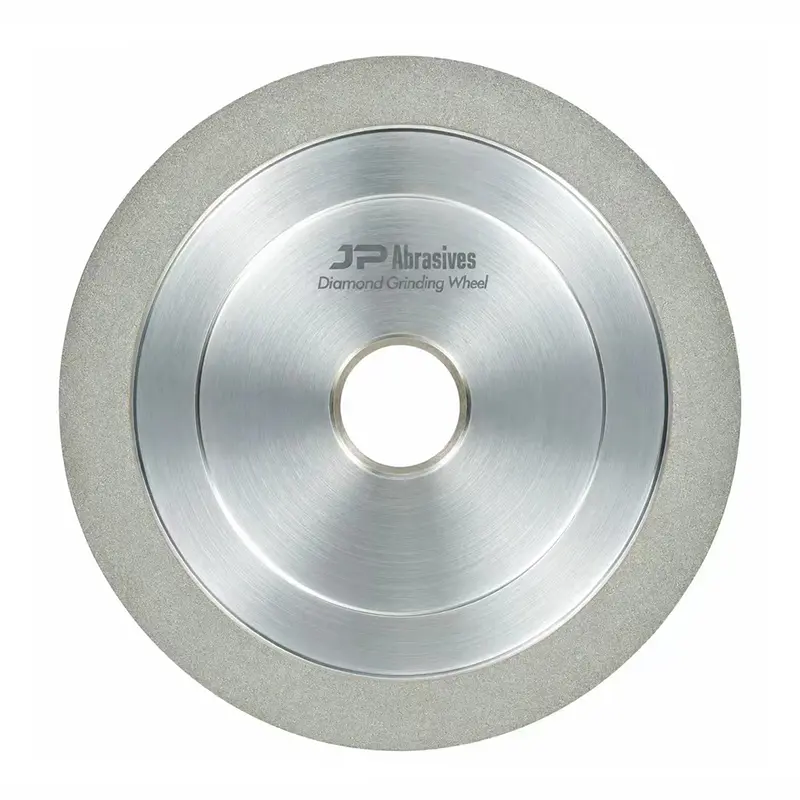
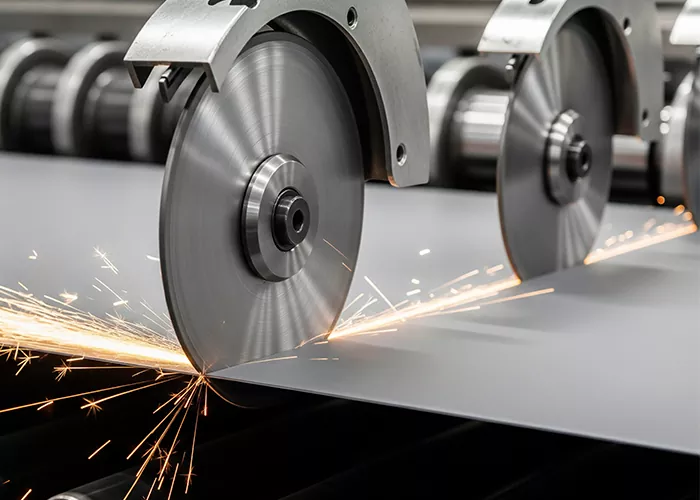
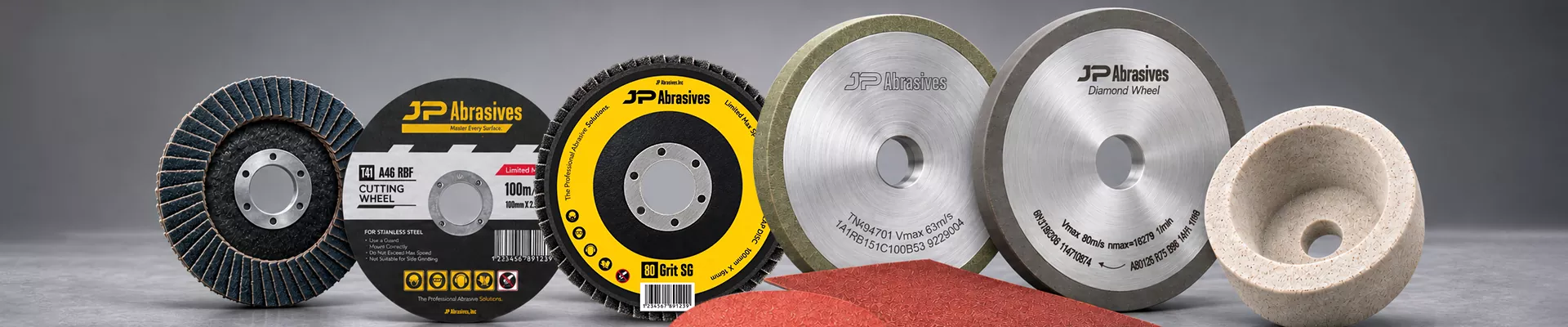
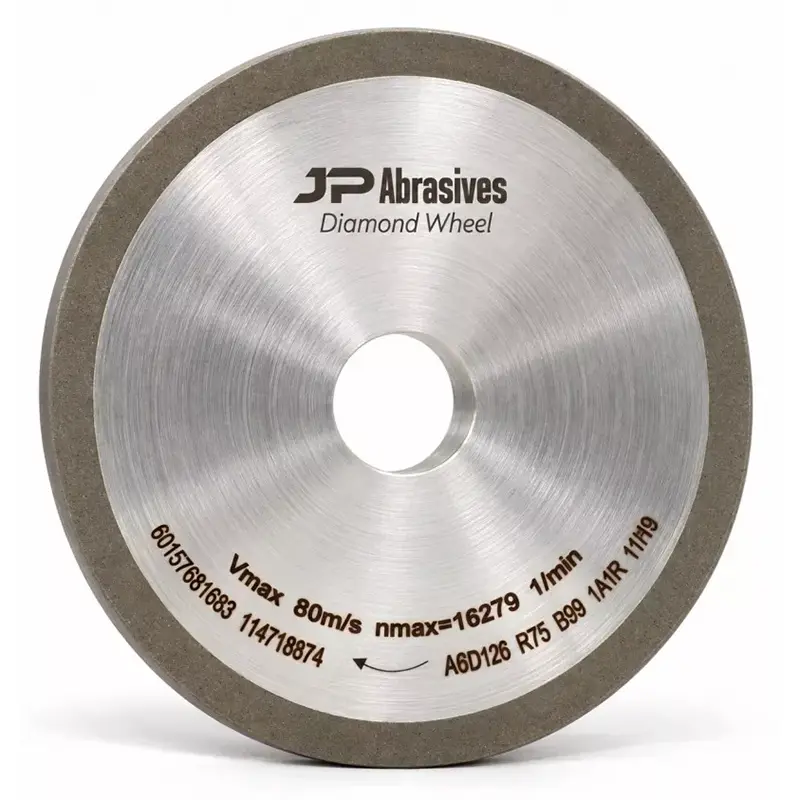
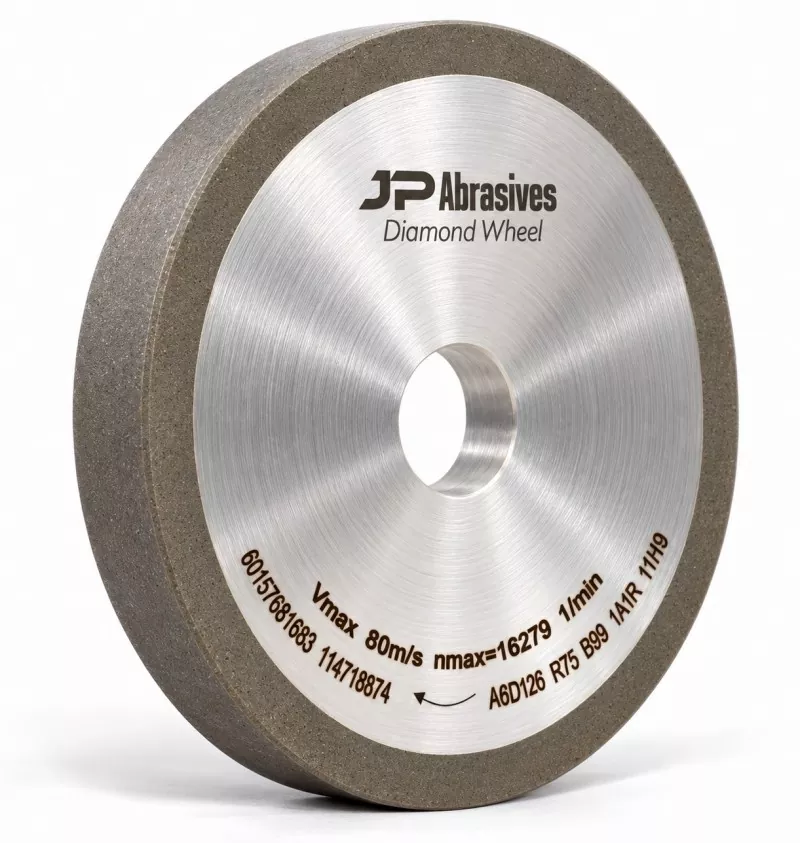
JP Abrasives's China D1 Resin Bond Diamond Grinding Wheel are SUPERABRASIVE wheels developed for precision grinding of tungsten carbide and cemented carbide components. The series combines synthetic diamond abrasive with a resin bond system and the 1A1 straight-wheel format for industrial grinding operations where cutting efficiency, dimensional consistency, surface condition and usable wheel life must be evaluated together.
D1 Resin Bond Diamond Grinding Wheel by JP Abrasives factory is centered on carbide component grinding rather than carbide cutting-tool geometry. Typical purchasing requirements include OD grinding, surface grinding, cylindrical grinding and centerless grinding of carbide rods, blanks, wear parts and precision components. Tool fluting, gashing and relief grinding belong to the JP D2 CNC Tool Grinding family; precision cut-off belongs to D3; ceramics, glass and quartz precision grinding are addressed by D4.
Core Positioning — Efficient Carbide Grinding
Tungsten carbide combines high hardness and wear resistance with demanding grinding behavior. For industrial buyers, the objective is not simply to source a “harder wheel.” The wheel must provide productive cutting action while supporting repeatable size control, acceptable surface condition and a stable production cycle.
The D1 series is positioned for production and precision grinding environments that need a dedicated diamond wheel for carbide. Resin bond technology is used as the primary D1 platform because the bond system can be engineered around cutting action, wheel wear, finish requirement and dressing behavior. Final performance depends on the complete wheel specification and the customer’s actual grinding process.
Synthetic Diamond for Tungsten Carbide
Synthetic diamond is the core abrasive technology of the D1 series. It is selected for grinding tungsten carbide and other approved hard, non-ferrous or brittle materials where conventional aluminum-oxide abrasives are not the primary solution. Diamond grain type, grit size and concentration must be matched to the carbide grade, stock removal, required finish and machine conditions.
D1 should not be presented as a universal wheel for hardened ferrous steels. Where hardened steel, bearing steel, tool steel or HSS is the principal workpiece material, CBN should be evaluated as the appropriate superabrasive family.
Primary Materials
· Tungsten carbide / cemented carbide
· Carbide rods and blanks
· Carbide wear parts
· Carbide dies, guides, bushings and precision components
· Carbide inserts or preforms where the approved D1 specification fits the operation
· Cermet or selected technical ceramics only after application review and specification approval
OD and Cylindrical Grinding of Carbide Components
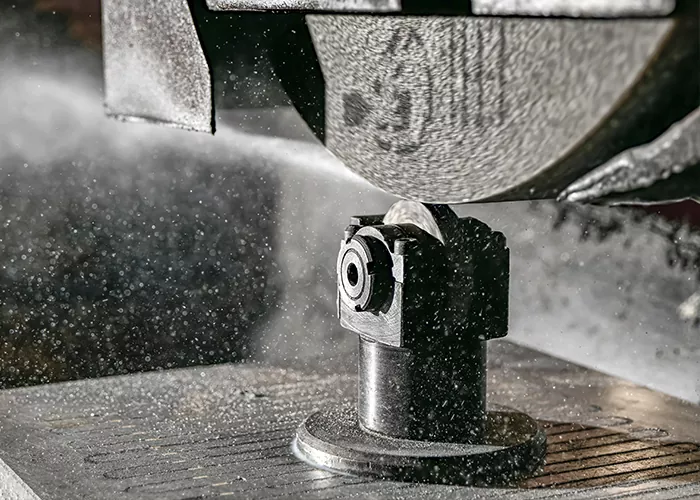
OD grinding is a primary D1 application. Typical workpieces include carbide rods, cylindrical blanks, shafts, sleeves, punches, wear components and other round parts requiring controlled diameter and surface condition. Buyers should define the carbide grade, starting diameter, stock allowance, target diameter, surface requirement, machine, wheel speed and coolant condition before wheel selection.
For production OD grinding, wheel life alone is not sufficient as a qualification metric. The purchasing decision should consider material removed per cycle, dimensional consistency over the production run, dressing interval, workpiece condition and cost per accepted component.
Surface Grinding of Cemented Carbide
Surface grinding applications require the wheel to remove the specified stock while maintaining flatness-related process stability and an acceptable ground surface. The correct D1 specification depends on contact area, depth of cut, feed, carbide composition, machine rigidity and coolant strategy.
A coarse, high-removal specification and a fine-finish specification should not be treated as interchangeable. Grit, concentration and resin bond formulation must be selected around the required balance of removal rate, wheel wear and finished surface.
Centerless Grinding of Carbide Rods
Centerless grinding is an important purchasing intent within the D1 family, particularly for carbide rods and cylindrical production parts. Stable cutting behavior and repeatable wheel performance are critical where long production runs require consistent diameter and surface condition.
For centerless applications, the RFQ should identify workpiece diameter range, carbide grade, stock removal, target finish, throughput, machine model, wheel dimensions, operating speed, coolant and current benchmark wheel. The grinding wheel should be qualified as part of the complete centerless process rather than by abrasive designation alone.
Resin Bond Technology
Resin bond is the primary bond platform for D1. The bond holds and releases diamond grains according to the designed wheel behavior and influences cutting action, wheel wear, self-sharpening tendency, surface condition and dressing response. Different carbide grades and grinding methods may require different bond formulations even when wheel shape and dimensions are identical.
Specific bond codes, porosity, hardness, concentration and performance claims should be published only after the corresponding JP Abrasives SKU has been technically approved. The website should not convert supplier formulation language into universal performance guarantees.
1A1 Straight Wheel Platform
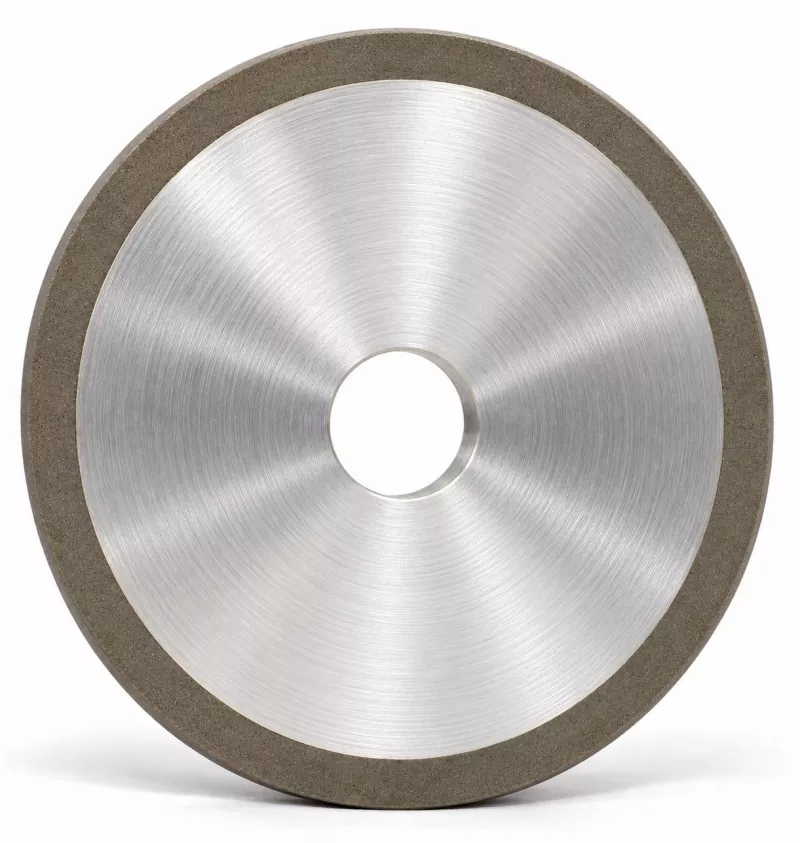
The 1A1 straight wheel is the core D1 shape because it provides a practical platform for OD, surface, cylindrical and selected centerless carbide grinding operations. Diameter, width, abrasive-layer dimensions, bore and wheel body construction must match the machine and application.
The 1A1 designation identifies wheel geometry; it does not by itself define the correct grinding specification. A complete industrial SKU also requires abrasive specification, grit, concentration, bond, dimensions, maximum operating speed and application limits.
Core Buyer Value
High Material Removal Efficiency
A properly selected diamond specification supports productive removal of tungsten carbide while maintaining a controlled grinding process.
Consistent Surface Condition
Application-matched grit, concentration and bond help maintain repeatable ground surfaces across qualified production conditions.
Dimensional Repeatability
Stable wheel behavior supports process control in OD, surface and centerless grinding where diameter or geometry must remain consistent through the production run.
Long Usable Wheel Life
Diamond abrasive and an application-specific resin bond can extend usable wheel life relative to unsuitable conventional abrasive solutions; actual life must be verified by the defined process.
Reduced Dressing and Changeover Burden
A stable wheel specification can reduce unnecessary interruptions for dressing, correction or wheel replacement, depending on the machine and application.
Lower Cost per Accepted Component
The commercial objective is not the lowest wheel price. Buyers should evaluate wheel consumption, machine time, dressing time, rework, rejects and accepted output together.
Search Intent — How Industrial Buyers Source D1
D1 search demand is primarily material-led and process-led. The buyer already knows the workpiece is tungsten carbide or cemented carbide and is looking for a diamond wheel that fits a defined grinding operation. Search language therefore combines the material, wheel technology, shape and grinding method.
Primary Search Cluster
· diamond grinding wheel for carbide
· carbide grinding wheel
· diamond wheel for tungsten carbide
· resin bond diamond wheel
· 1A1 diamond grinding wheel
· diamond wheel for carbide rods
· diamond wheel for centerless grinding
· diamond wheel for carbide components
Commercial / Sourcing Intent
· diamond grinding wheel for carbide supplier
· resin bond diamond wheel manufacturer
· 1A1 diamond grinding wheel supplier
· OEM carbide grinding wheel
· custom diamond grinding wheel for carbide
· wholesale diamond grinding wheels
Buyer Search Objective
Source a production-capable diamond wheel for tungsten carbide that can meet a defined removal requirement, surface requirement, dimensional target and wheel-life objective on the buyer’s actual grinding equipment.
Typical Applications
· Tungsten carbide OD grinding
· Cemented carbide surface grinding
· Carbide rod cylindrical grinding
· Carbide rod centerless grinding
· Grinding of carbide blanks and preforms
· Grinding of carbide wear components
· Precision grinding of carbide dies, bushings, guides and industrial components
Target Industrial Markets
· Carbide rod and blank manufacturers
· Cemented carbide component manufacturers
· Precision grinding companies
· Tool and die manufacturers using carbide components
· Wear-part manufacturers
· Industrial component manufacturers
· Machine shops with dedicated carbide grinding operations
· Industrial abrasive and superabrasive distributors
Eight Technical Parameters for D1 Selection
1. Workpiece Material and Carbide Grade
Identify tungsten-carbide grade, binder system where known, hardness and workpiece geometry. Different carbide compositions can require different wheel behavior.
2. Grinding Method
Define OD, surface, cylindrical, centerless or another approved D1 process.
3. Stock Removal
State starting size, final size and material to be removed per operation. Roughing and finishing requirements should be separated where appropriate.
4. Surface and Dimensional Requirement
Provide target roughness, diameter, flatness or other relevant inspection criteria where applicable.
5. Diamond Grit Size
Grit influences removal behavior and resulting surface condition. Available grit ranges must follow the approved JP SKU.
6. Diamond Concentration and Resin Bond
Concentration and bond formulation influence cutting action, grain retention, wheel wear and dressing response.
7. Wheel Dimensions and Machine
Provide 1A1 diameter, width, abrasive-layer dimensions, bore, machine model, spindle speed and available power.
8. Coolant and Operating Conditions
State wet or dry condition, coolant type where applicable, feed, depth of cut, contact area, cycle time and current dressing practice.
Recommended Qualification Metrics
· Material removal achieved per defined cycle
· Cycle time / parts per hour
· Dimensional consistency across the production run
· Surface roughness or defined surface condition
· Wheel wear and usable wheel life
· Dressing frequency and dressing time
· Workpiece chipping, edge condition or grinding damage where relevant
· Reject and rework rate
· Machine downtime associated with wheel changes
· Cost per acceptable finished component
Cost per Acceptable Finished Component
For carbide grinding, price per wheel can be misleading. A lower-priced wheel may create higher total cost if it increases cycle time, dressing frequency, dimensional correction, rework or rejected parts. A more useful purchasing model is: Wheel Cost + Machine Time + Dressing/Setup + Rework/Reject Risk + Changeover Downtime = Total Carbide Grinding Cost.
D1 qualification should therefore compare cost per acceptable finished component or cost per defined quantity of carbide removed under equivalent production conditions.
Product Position within JP Diamond Superabrasives
| D1 — Resin Bond Diamond Grinding Wheel | Tungsten carbide components. OD / surface / cylindrical / centerless grinding. Core value: Efficient Carbide Grinding. |
| D2 — Diamond Wheels for CNC Tool Grinding | Carbide cutting tools. Fluting / gashing / relief / tool grinding. Core value: Complete Carbide Tool Grinding Solution. |
| D3 — Diamond Precision Cut-Off Wheels | Carbide / ceramics / glass. Thin cut-off / slotting / precision separation. Core value: Clean Precision Cutting. |
| D4 — Diamond Grinding Wheels for Ceramics & Hard Materials | Technical ceramics / glass / quartz and approved hard brittle materials. Core value: Precision + Surface Quality. |
When to Select D1
Select D1 when the principal workpiece is tungsten carbide or cemented carbide and the operation is OD, surface, cylindrical, centerless or related component grinding. Select D2 when the purchasing requirement is specifically CNC grinding of carbide cutting-tool geometry such as fluting, gashing or relief. Select D3 for precision cut-off and slotting. Select D4 when technical ceramics, glass, quartz or another approved hard brittle material is the primary grinding target.
Product Qualification Workflow
Recommended sequence: Workpiece Review → Grinding Process Review → 1A1 Specification Selection → Sample Test → Dimensional & Surface Inspection → Wheel Wear Review → Process Adjustment → Production Trial → Bulk Approval.
For a replacement program, benchmark the current wheel under the same workpiece, machine, coolant, removal and inspection conditions. Comparative testing should use measurable production criteria rather than general statements such as “cuts faster” or “lasts longer.”
Wholesale, OEM and Private Label Supply
JP Abrasives supports qualified sourcing programs for industrial distributors, superabrasive specialists, carbide manufacturers and precision grinding users. D1 assortments should be built around defined carbide applications and approved 1A1 specifications rather than broad generic diamond-wheel listings.
OEM and Private Label programs may include approved wheel specifications, center marking, packaging, barcode planning, master cartons and application-specific SKU architecture. Technical performance claims must remain consistent with validated product documentation and test results.
RFQ Information for Industrial Buyers
· Workpiece material and carbide grade
· Workpiece dimensions and geometry
· Grinding method: OD / surface / cylindrical / centerless
· Starting size, target size and stock removal
· Required surface roughness or surface condition
· Dimensional tolerance or inspection requirement where applicable
· Required wheel dimensions and bore
· Machine brand / model, spindle RPM and available power
· Coolant type and delivery condition
· Feed, depth of cut, cycle time and production volume
· Current wheel specification and benchmark performance
· Current process issue: cycle time, wheel wear, finish, size drift, dressing, chipping, rework or cost
· JP Abrasives brand, OEM or Private Label requirement
Safety and Technical Data
Diamond grinding wheels must be selected, mounted, dressed and operated according to the approved wheel specification, machine requirements and applicable safety instructions. Maximum operating speed must never be exceeded. Machine guarding, correct mounting, wheel inspection and appropriate PPE are required.
Final website technical tables must publish dimensions, abrasive-layer dimensions, bore, diamond grit, concentration, bond code, maximum operating speed, machine compatibility and safety markings only after the corresponding JP Abrasives SKU has been verified.
Frequently Asked Questions
What is a diamond grinding wheel for carbide used for?
D1 is designed for precision grinding of tungsten carbide and cemented carbide components, including OD, surface, cylindrical and centerless grinding applications.
Why use diamond for tungsten carbide grinding?
Diamond is the primary superabrasive technology used in D1 for high-hardness carbide materials. Final suitability depends on carbide grade, wheel specification, machine and grinding conditions.
What does 1A1 mean?
1A1 identifies a straight-wheel geometry commonly used in industrial grinding. It does not define grit, concentration, bond, dimensions or the complete application specification.
Is D1 intended for carbide cutting-tool fluting and gashing?
Those operations are primarily covered by D2 Diamond Wheels for CNC Tool Grinding. D1 is centered on carbide component grinding.
Can D1 grind hardened steel or HSS?
D1 is positioned for carbide. For hardened ferrous materials and HSS, CBN should be evaluated rather than assuming a diamond wheel is appropriate.
What information is needed for a quotation?
Provide carbide grade, workpiece dimensions, grinding method, stock removal, finish/tolerance, machine/RPM, coolant, wheel size, current wheel and expected volume.
Is OEM / Private Label available?
Qualified programs can be developed around approved wheel specifications, volume, branding, labeling and packaging requirements.
Request an Application Review / Request a Quote
For D1 carbide grinding, submit: Carbide Grade + Workpiece Geometry + Grinding Method + Stock Removal + Surface/Dimensional Requirement + 1A1 Wheel Size + Machine/RPM + Coolant + Current Wheel + Production Volume + JP Brand/OEM.
JP Abrasives — Professional Abrasive Solutions. Master Every Surface.
Send Inquiry
Contact Info
-
Address
China:No.263,Central Street,Dadian Town,Junan County,Linyi City,Shandong Province,China
-
Tel
-
Email