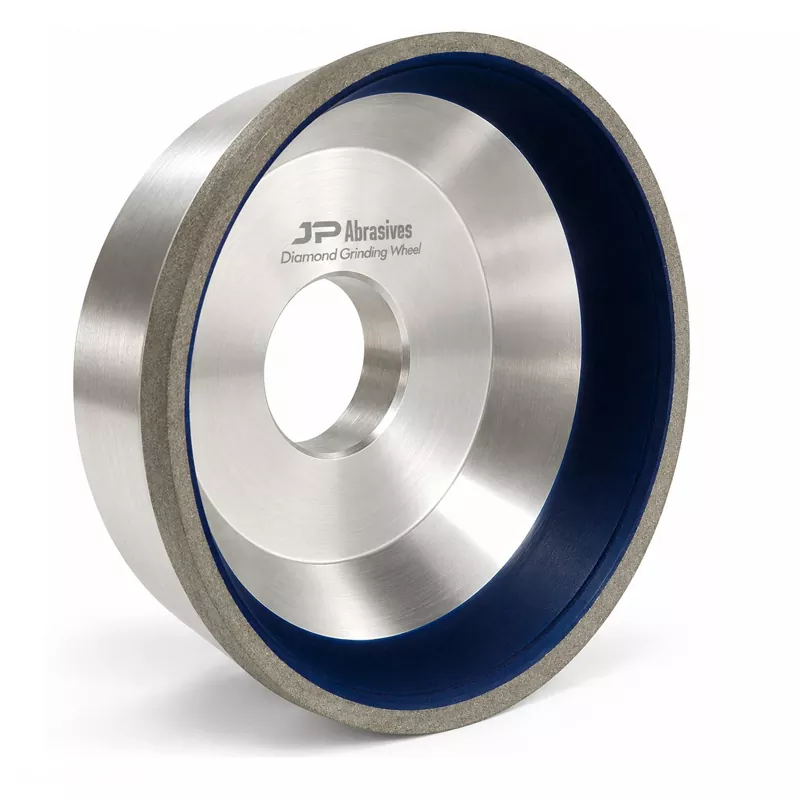
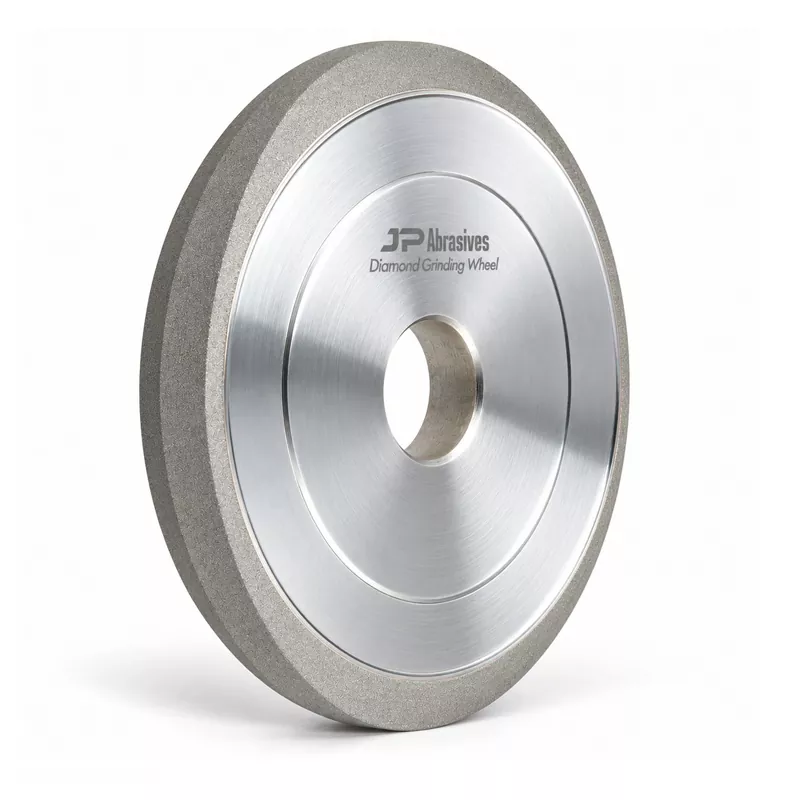
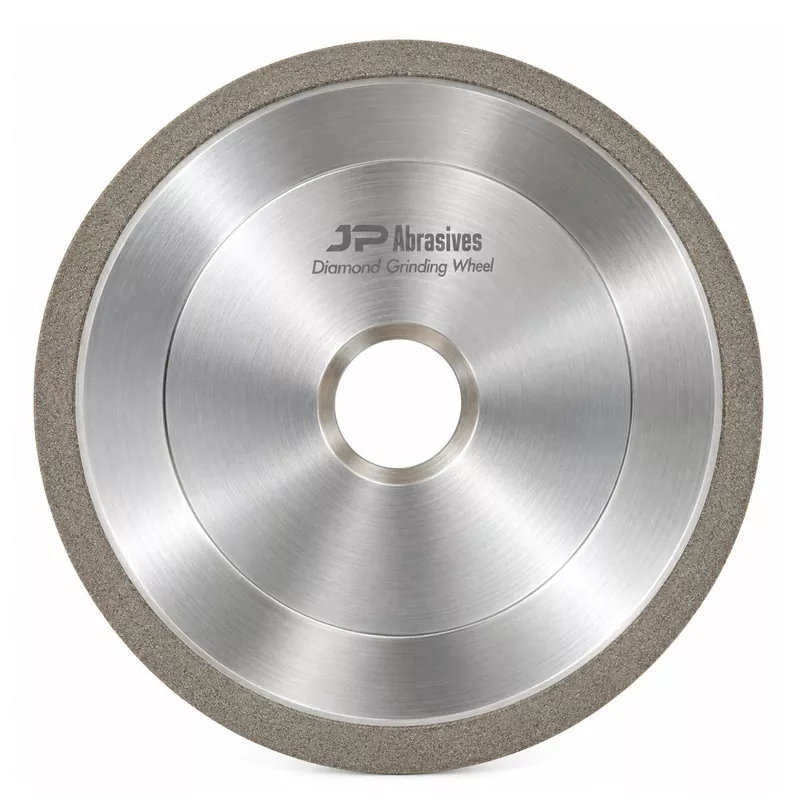
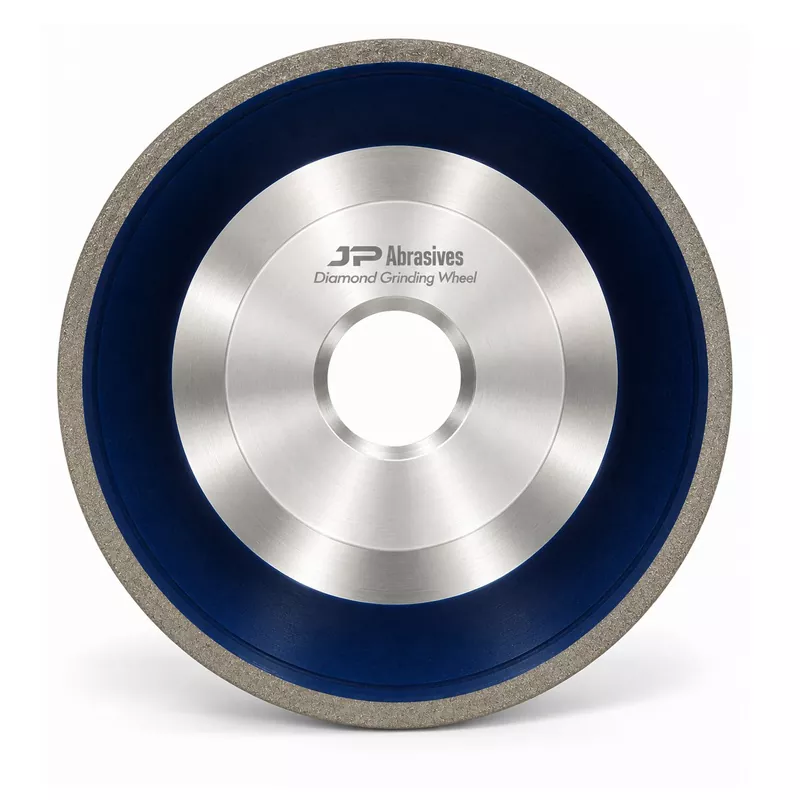
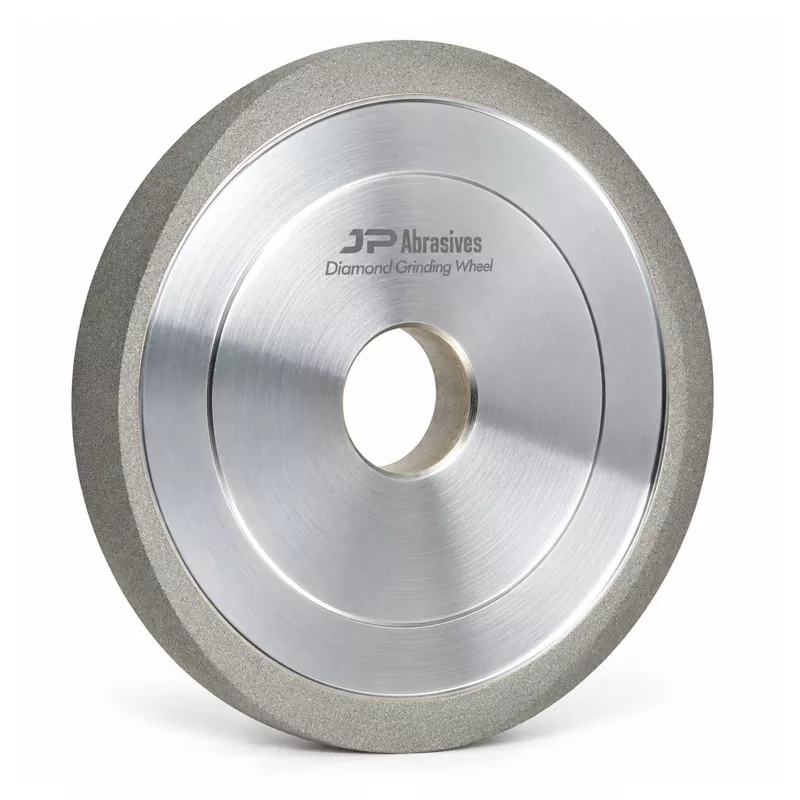
Diamond-CNC Tool Grinding Wheel
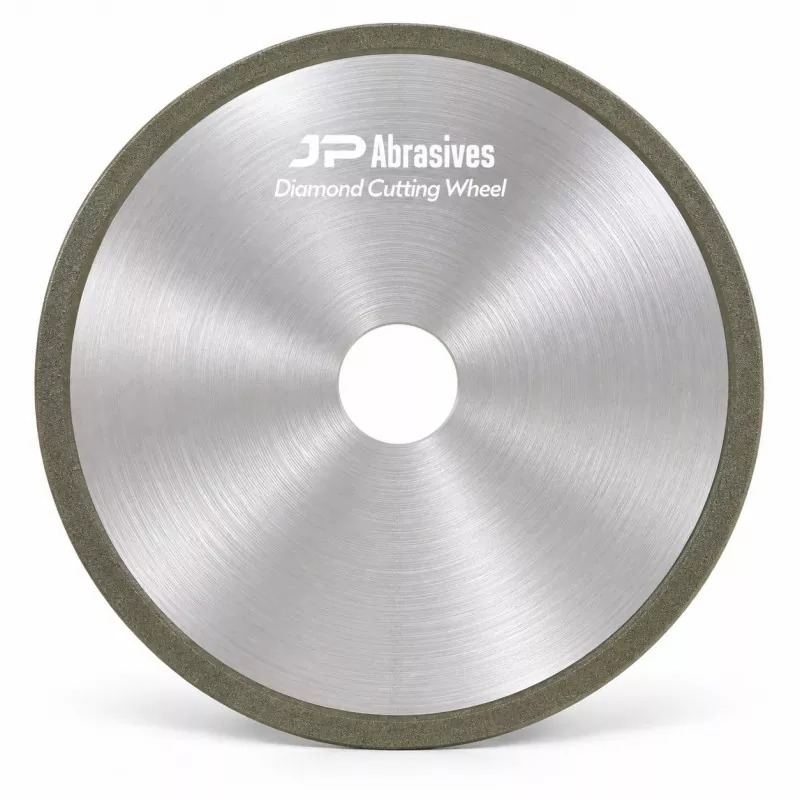
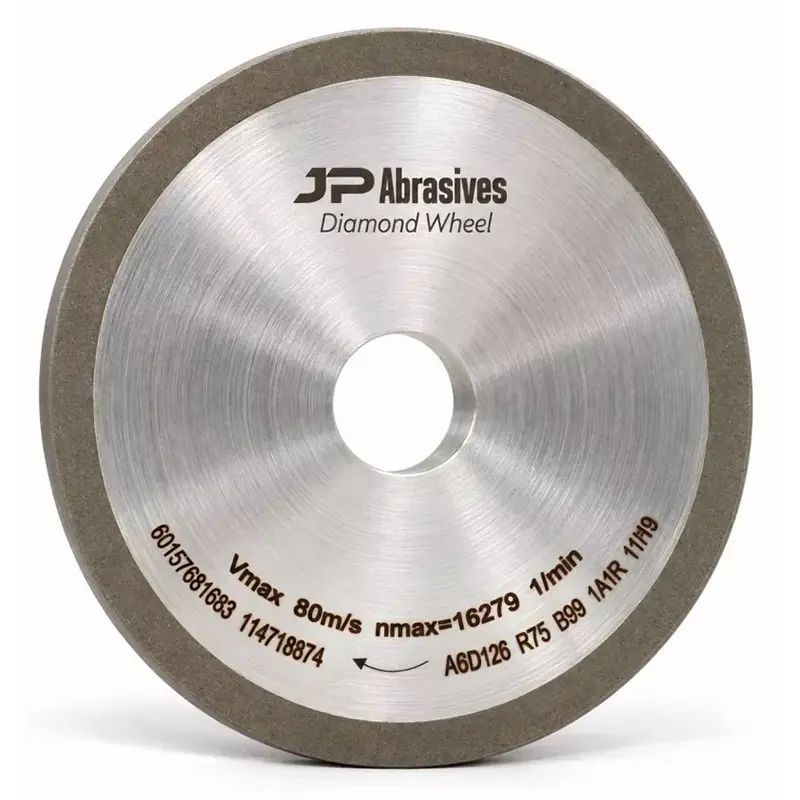
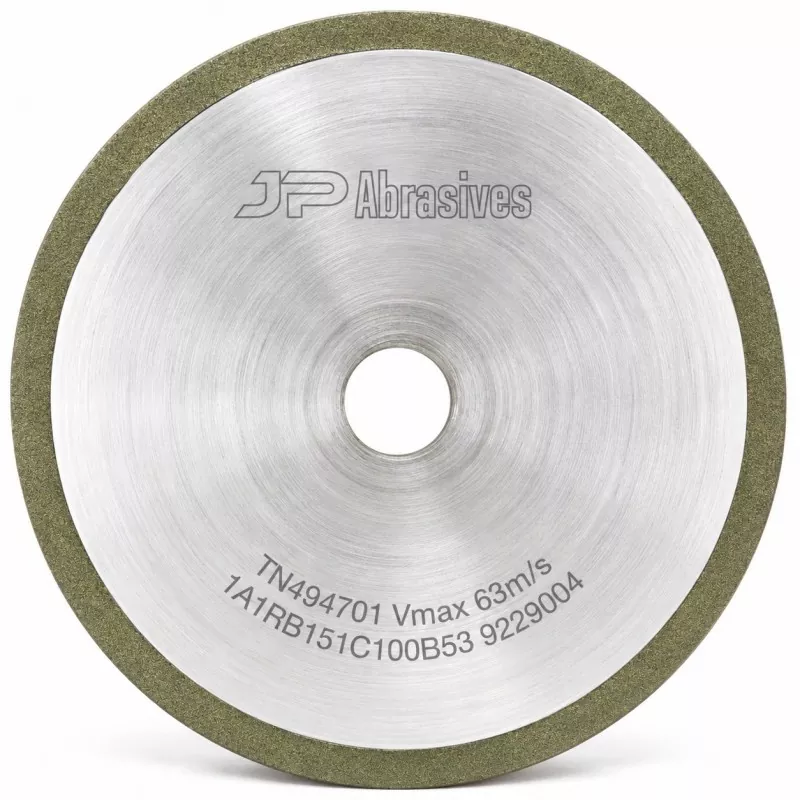
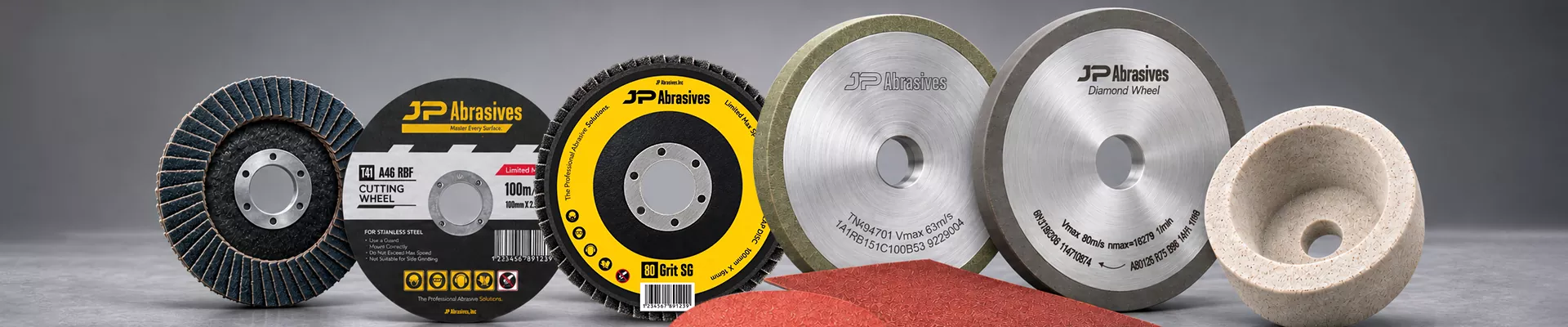
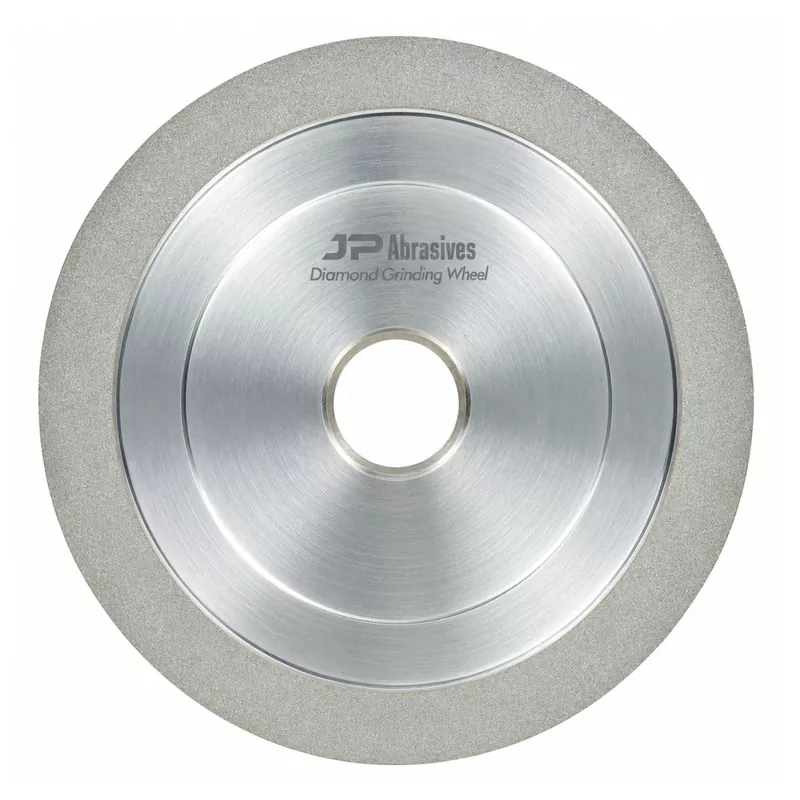
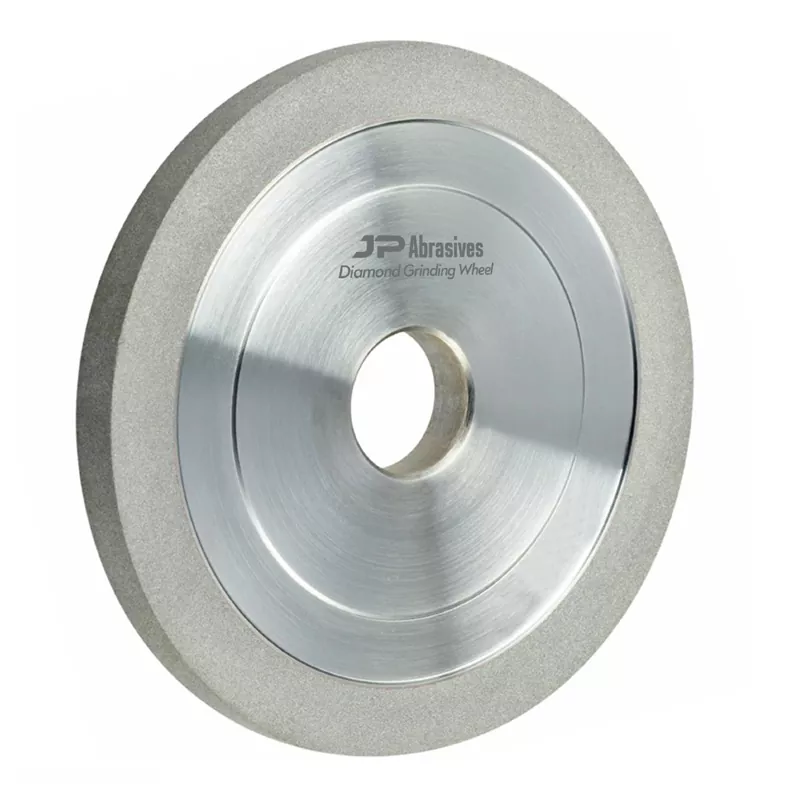
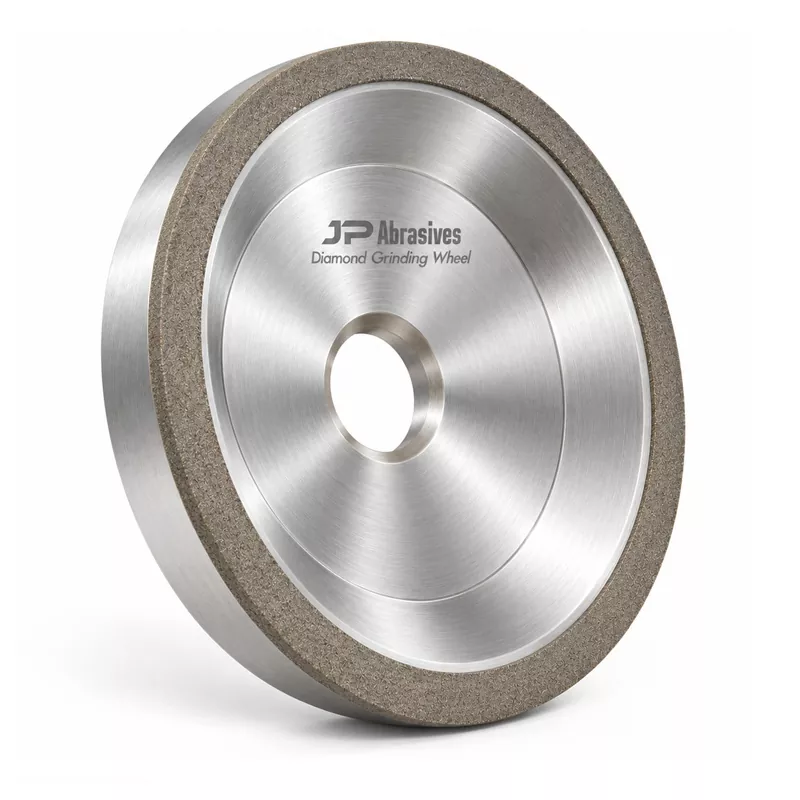
JP Abrasives D2 Diamond-CNC Tool Grinding Wheel are a SUPERABRASIVE product system developed for the manufacture and regrinding of carbide cutting tools. The series combines synthetic diamond abrasive with resin and hybrid bond technologies and application-specific wheel geometries including 1A1, 11V9, 12V9 and 1V1.
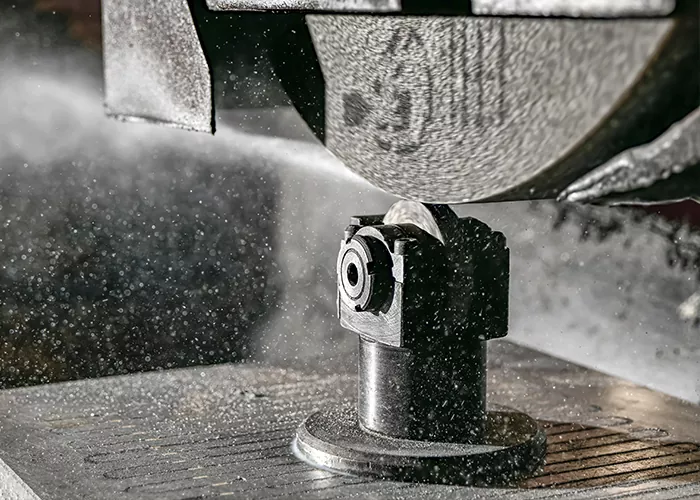
Unlike the grinding of ordinary hard alloy components, the D2 Diamond-CNC Tool Grinding Wheel supplied by JP Abrasives manufacturers is organized based on the manufacturing process of the tools. The selection of the grinding wheel is matched with processes such as slotting, cutting, deburring and gap grinding, cylindrical grinding, and end face grinding. The geometric shape, contour retention, cutting performance and repeatability of the grinding wheel directly affect the quality of the final tool.
Core Positioning — Complete CNC Carbide Tool Grinding Solution
D2 is positioned for tool manufacturers, regrinding centers and precision cutting-tool operations that require a coordinated diamond-wheel system rather than a single general-purpose wheel. The product family is intended to support multiple stages of carbide tool production by matching wheel shape and bond system to the geometry and contact conditions of each grinding operation.
The commercial focus is consistent production of carbide drills, end mills, reamers, rotary tools and other precision cutting tools, with particular attention to flute geometry, gash definition, relief surfaces, edge condition and repeatability from tool to tool.
Primary Materials & Tool Types
Primary Workpiece Material
Tungsten Carbide · Cemented Carbide · Carbide Tool Blanks · Carbide Rods
Primary Tool Families
· Solid carbide end mills
· Solid carbide drills
· Reamers and precision rotary tools
· Carbide burrs and specialty rotary cutters
· Carbide tool blanks requiring multi-stage CNC grinding
· Reground carbide cutting tools where the approved wheel specification matches the operation
HSS is not the primary material positioning of the D2 diamond series. Where high-speed steel is the dominant workpiece material, CBN should be evaluated as the primary superabrasive system according to the actual grinding process.
Core Grinding Operations
Fluting — Grinding the helical or straight flute geometry that defines chip evacuation and a major portion of the cutting-tool profile. Fluting places sustained contact demands on the wheel and requires a specification selected for the flute geometry, stock removal and machine cycle.
Gashing — Creating or refining the gash geometry near the tool center or cutting end. Wheel profile and accessibility are critical because the operation is geometry-sensitive and often involves concentrated contact.
Relief / Clearance Grinding — Generating clearance behind the cutting edge. The process requires controlled geometry and repeatability so that the relief surface supports the intended cutting edge without excessive material removal.
OD Grinding — Controlling outside diameter, cylindrical form and selected tool-body dimensions before or during the tool-manufacturing sequence.
End-Face Grinding — Grinding end geometry and related features where wheel access, profile and controlled removal affect the final tool form.
Wheel Shapes & Functional Roles
| 1A1 | Straight-wheel geometry for OD, cylindrical and selected peripheral grinding operations in the carbide tool manufacturing sequence. |
| 11V9 | Cup-style geometry used where wheel access and edge geometry support relief, clearance or related tool-grinding operations. |
| 12V9 | Dish/cup geometry widely associated with precision tool grinding and geometry-sensitive operations, including selected gashing and relief applications. |
| 1V1 | V-shaped wheel geometry used for narrow, profile-sensitive grinding operations such as selected gashing or groove-related applications. |
Final wheel shape, dimensions, rim geometry and bond specification must be selected from the actual tool geometry, machine platform and grinding operation. The four shapes define the D2 application architecture; they are not interchangeable by name alone.
Resin Bond & Hybrid Bond Technology
Resin bond diamond wheels are used where controlled cutting action, practical dressability and application flexibility are required in carbide tool grinding. Hybrid bond systems combine performance characteristics to address demanding CNC cycles where profile retention, cutting efficiency and process stability must be balanced.
Bond selection is an application-engineering decision. The final specification should consider contact area, flute depth, stock removal, feed strategy, wheel speed, coolant delivery, dressing method, machine rigidity and the required finished-tool geometry. No universal bond should be presented as optimal for every fluting, gashing or relief operation.
Search Intent
The D2 search cluster is process-led and machine-led. Industrial buyers are typically not searching only for a generic 'diamond wheel for carbide.' They are sourcing a wheel for a defined cutting-tool operation, tool type or CNC grinding platform.
Primary SEO Search Cluster
Diamond-CNC Tool Grinding Wheel · carbide tool grinding wheel · diamond wheel for carbide tools · CNC tool grinder wheel · diamond fluting wheel · diamond gashing wheel · diamond relief grinding wheel · diamond wheel for end mill grinding · diamond wheel for drill grinding · 11V9 diamond wheel · 12V9 diamond wheel · 1V1 diamond wheel
Buyer Search Intent
Source an application-matched diamond wheel system for producing or regrinding carbide cutting tools, with wheel geometry and bond technology selected for fluting, gashing, relief, OD or end-face grinding.
Core Buyer Value
Complete Tool Grinding Solution — A coordinated product family supports multiple carbide-tool grinding stages instead of forcing one wheel geometry into unrelated operations.
Operation-Matched Wheel Geometry — 1A1, 11V9, 12V9 and 1V1 shapes allow the wheel architecture to follow the access, contact and profile requirements of different CNC tool-grinding operations.
Profile Retention — Application-specific bond and wheel construction support maintenance of the wheel form required for repeatable flute, gash and relief geometry.
Cutting-Edge Quality — Controlled grinding behavior supports consistent edge and surface condition on high-value carbide cutting tools when the wheel and process are correctly matched.
Batch Consistency — A defined wheel specification and controlled grinding process support repeatability across production batches, reducing variation from tool to tool.
Process Productivity — Wheel life, dressing frequency, cycle time and finished-tool acceptance should be evaluated together to improve the total economics of the CNC grinding process.
Machine & Process Compatibility
Diamond-CNC Tool Grinding Wheel is intended for CNC tool grinding environments. Compatibility must be confirmed against the actual machine spindle, wheel pack, arbor/interface, coolant system, dressing method, programmed wheel speed and tool geometry.
For sourcing and qualification, the machine brand and model should be supplied together with the current wheel specification. Where the customer uses a benchmark wheel, its shape, dimensions, bond, grit, concentration and application should be included in the RFQ so that an equivalent or application-optimized specification can be developed.
Tool Grinding as a Process System
Finished tool quality is determined by the complete grinding system. Diamond type, grit size, concentration, bond, wheel shape, rim geometry and dimensions interact with machine rigidity, spindle condition, coolant delivery, dressing, feed strategy, contact length and tool geometry.
Performance should therefore be qualified by the actual operation. A wheel that performs well in OD grinding should not automatically be assumed to be the correct specification for deep fluting, and a wheel selected for gashing should not be treated as a universal relief wheel.
Technical Selection Parameters
1. Tool Material and Carbide Grade — Identify the carbide grade, binder content where available, blank condition and whether the operation is new-tool production or regrinding.
2. Tool Type and Geometry — Define end mill, drill, reamer, burr or other tool family, including diameter, flute count, helix and relevant geometry.
3. Grinding Operation — Specify fluting, gashing, relief/clearance, OD, end-face or another defined CNC tool-grinding operation.
4. Wheel Shape and Dimensions — Provide 1A1, 11V9, 12V9, 1V1 or current wheel geometry, including OD, thickness, bore and rim/profile dimensions.
5. Diamond Grit and Concentration — Select according to removal requirement, finish, profile retention and process behavior. Publish only approved JP specifications.
6. Bond System — Select resin or hybrid bond according to the operation, contact conditions, dressing practice and production target.
7. Machine and Wheel Speed — Provide machine make/model, spindle data, programmed RPM or wheel speed and wheel-pack configuration.
8. Coolant and Dressing — State coolant type/delivery and dressing method because both can materially influence wheel behavior and tool quality.
9. Production KPI — Define cycle time, wheel life, dressing interval, tool acceptance criteria and current process problem.
Recommended Qualification Metrics
· Cycle time per tool or per grinding operation
· Material removal achieved in the defined operation
· Flute, gash or relief geometry consistency
· Finished cutting-edge and surface condition
· Tool dimensional consistency across the batch
· Wheel wear and profile retention
· Dressing frequency and dressing time
· Number of acceptable tools per wheel or per dressing interval
· Reject / rework rate
· Total grinding cost per accepted tool
Cost per Accepted Tool
For CNC carbide tool manufacturing, wheel purchase price alone is not a sufficient commercial metric. Machine time, dressing time, cycle stability, rejected tools, rework and wheel changes can have a larger impact on total manufacturing cost.
A practical sourcing model is: Wheel Cost + Machine Cycle Time + Dressing Time + Setup/Changeover + Rework/Reject Risk = Total Grinding Cost. The preferred commercial KPI is Cost per Accepted Tool under a defined production condition.
D2 Position within JP Abrasives Diamond Range
| D1 — Diamond Grinding Wheels for Carbide | Carbide components; OD, surface, cylindrical and centerless grinding. Core value: Efficient Carbide Grinding. |
| D2 — Diamond-CNC Tool Grinding Wheel | Carbide cutting tools; fluting, gashing, relief, OD and end-face grinding. Core value: Complete Tool Grinding Solution. |
| D3 — Diamond Precision Cut-Off Wheels | Carbide, ceramic, glass and quartz; precision cut-off, thin cutting and slotting. Core value: Clean Precision Cutting. |
| D4 — Diamond Grinding Wheels for Ceramics & Hard Materials | Technical ceramics, glass, quartz and other hard brittle materials; precision grinding. Core value: Precision & Surface Quality. |
Wholesale, OEM & Private Label
JP Abrasives supports qualified sourcing programs for cutting-tool manufacturers, regrinding centers, industrial distributors and professional superabrasive channels. D2 assortments should be built around actual tool-grinding operations and machine requirements rather than a broad generic diamond-wheel assortment.
OEM and Private Label programs may include approved wheel specifications, product naming, labels, packaging, barcodes, master cartons and SKU planning. Technical claims, dimensions, maximum operating speed, bond designation, grit, concentration and machine compatibility must follow verified production specifications.
RFQ Information for Industrial Buyers
· Tool type: end mill, drill, reamer, burr or other
· Tool material and carbide grade
· New-tool manufacturing or regrinding
· Grinding operation: fluting / gashing / relief / OD / end-face
· Tool diameter, flute count, helix and relevant geometry
· Machine brand and model
· Current wheel shape and dimensions
· Current bond, grit and concentration if known
· Machine RPM / wheel speed
· Coolant type and delivery
· Dressing method and frequency
· Current cycle time and wheel life
· Target tool quality / acceptance criteria
· Current problem: wheel wear, profile loss, finish, edge condition, cycle time or consistency
· Monthly or annual wheel consumption
· JP Abrasives brand / OEM / Private Label requirement
Safety & Technical Data
Superabrasive grinding wheels must be selected, mounted, dressed and operated according to the approved wheel specification, machine requirements and applicable safety instructions. Maximum operating speed must never be exceeded.
Final website technical tables must publish exact dimensions, bore/interface, rim geometry, bond, grit, concentration, maximum operating speed, coolant requirements, dressing instructions and machine compatibility only after the corresponding JP Abrasives SKU has been verified.
Frequently Asked Questions
What are Diamond-CNC Tool Grinding Wheel used for?
They are designed for manufacturing and regrinding carbide cutting tools through operations such as fluting, gashing, relief/clearance grinding, OD grinding and end-face grinding.
Why are several wheel shapes included in one D2 series?
CNC tool grinding contains multiple geometry-specific operations. 1A1, 11V9, 12V9 and 1V1 provide different access and profile characteristics, allowing wheel selection to follow the actual operation.
What is the difference between D1 and D2?
D1 is centered on grinding carbide components by OD, surface, cylindrical and centerless processes. D2 is centered on producing carbide cutting tools through CNC tool-grinding operations such as fluting, gashing and relief grinding.
Should HSS tools use D2 diamond wheels?
HSS is not the primary D2 material positioning. CBN should be evaluated for HSS applications according to the actual tool, machine and grinding process.
How should a buyer request a matching wheel?
Provide the tool type, carbide grade, grinding operation, machine model, current wheel shape/specification, wheel speed, coolant, dressing method, production KPI and current process problem.
Request an Application Review / Request a Quote
For CNC carbide tool grinding, submit: Tool Type + Carbide Grade + Grinding Operation + Tool Geometry + Machine Brand/Model + Current Wheel Shape/Size + Bond/Grit/Concentration + RPM/Wheel Speed + Coolant + Dressing + Cycle Time + Current Wheel Life + Quality Target + Quantity + JP Brand/OEM.
JP Abrasives — Professional Abrasive Solutions. Master Every Surface.
Send Inquiry
Contact Info
-
Address
China:No.263,Central Street,Dadian Town,Junan County,Linyi City,Shandong Province,China
-
Tel
-
Email