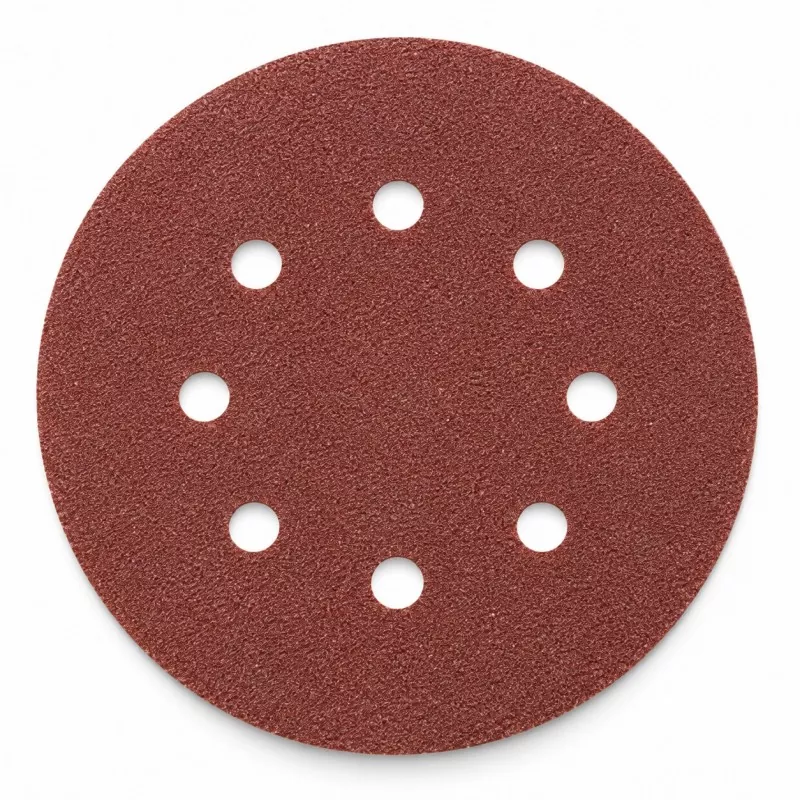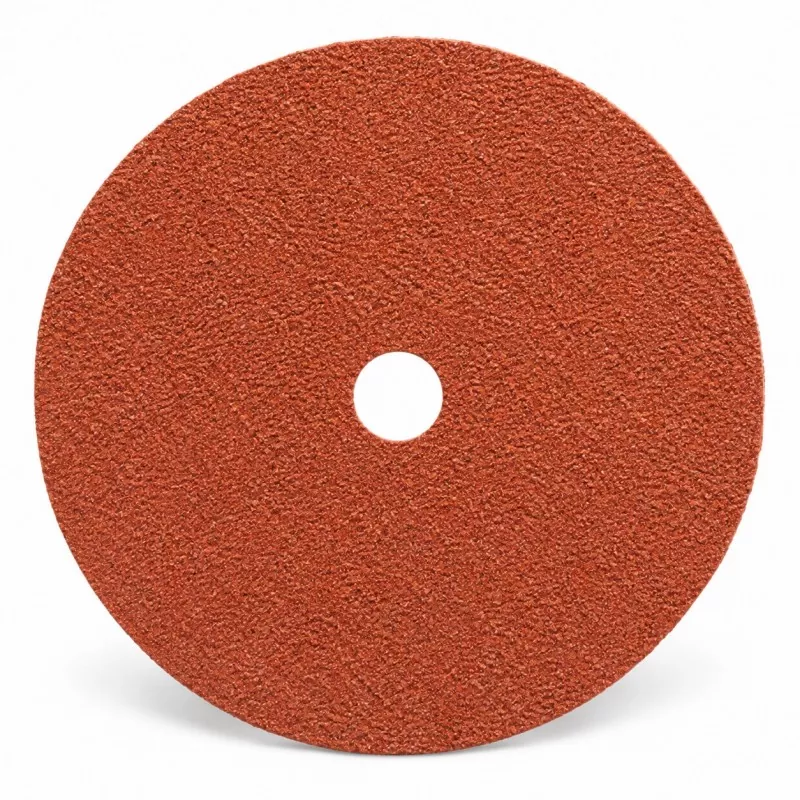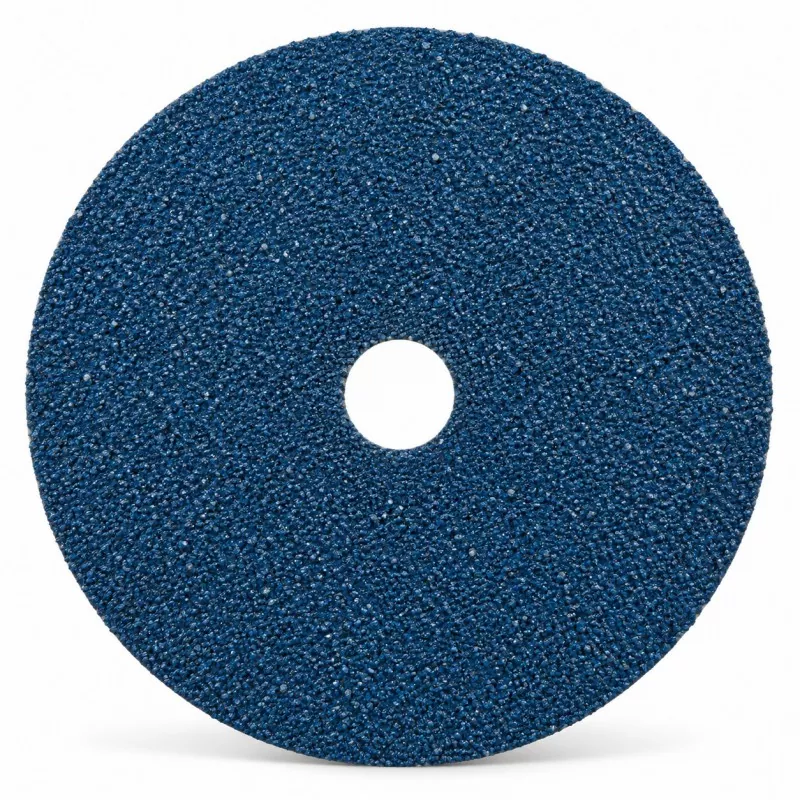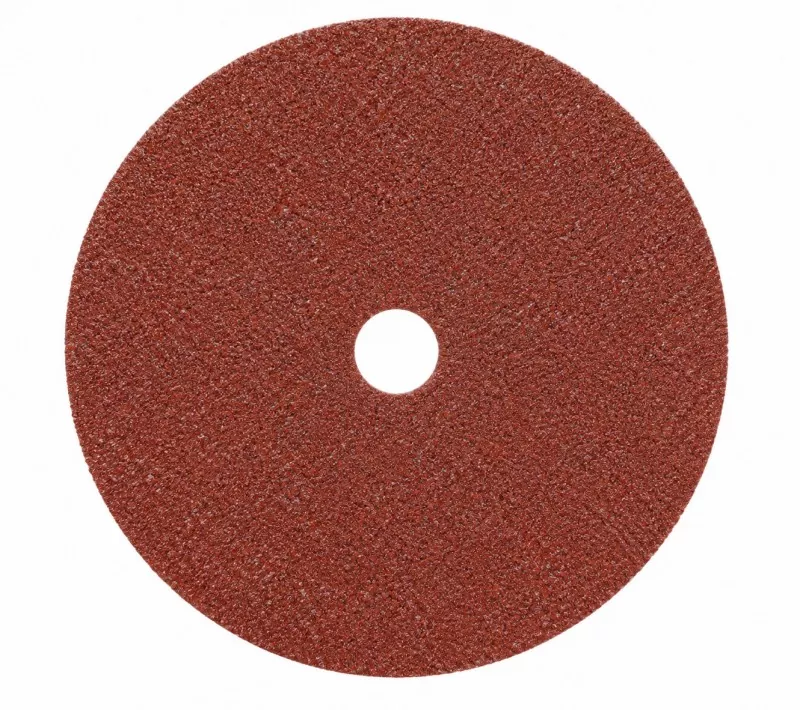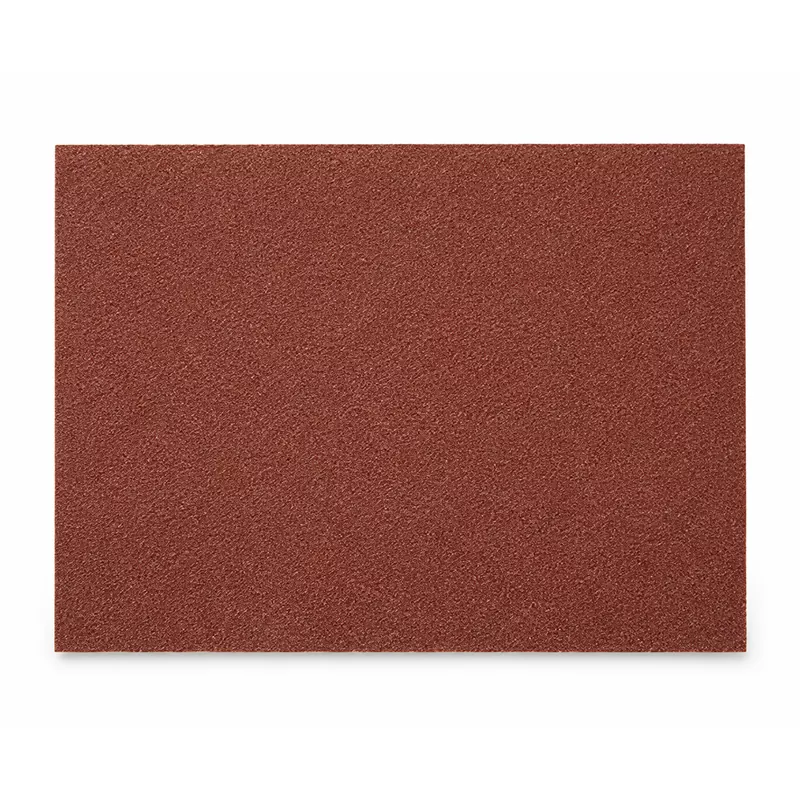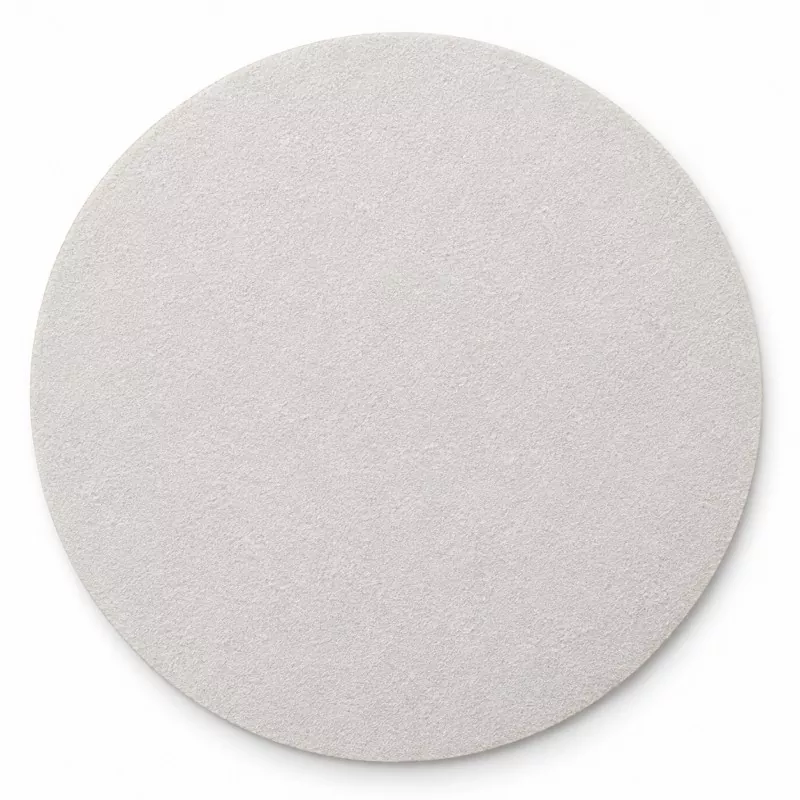
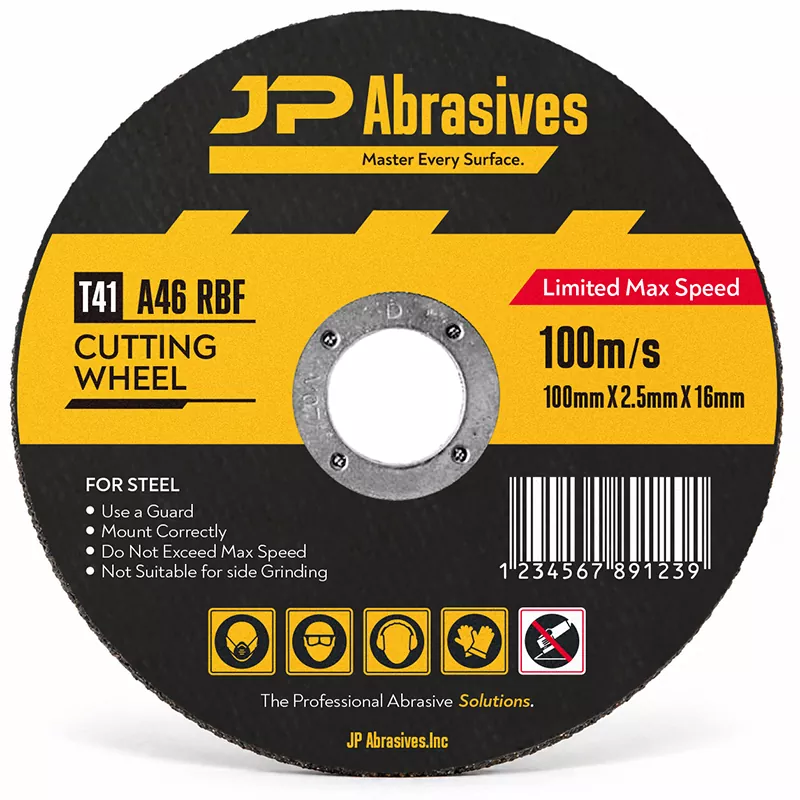
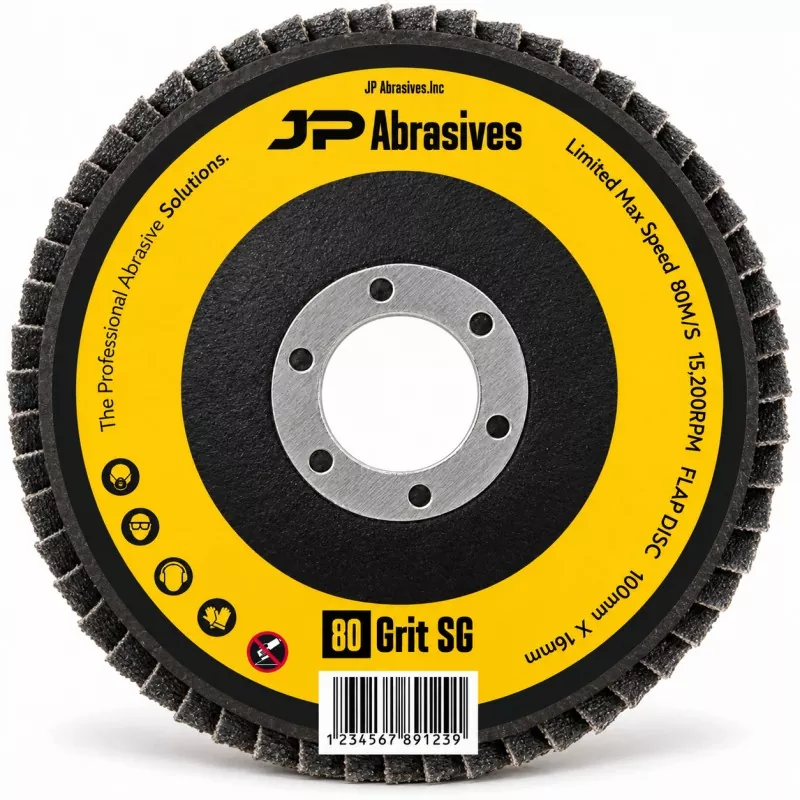
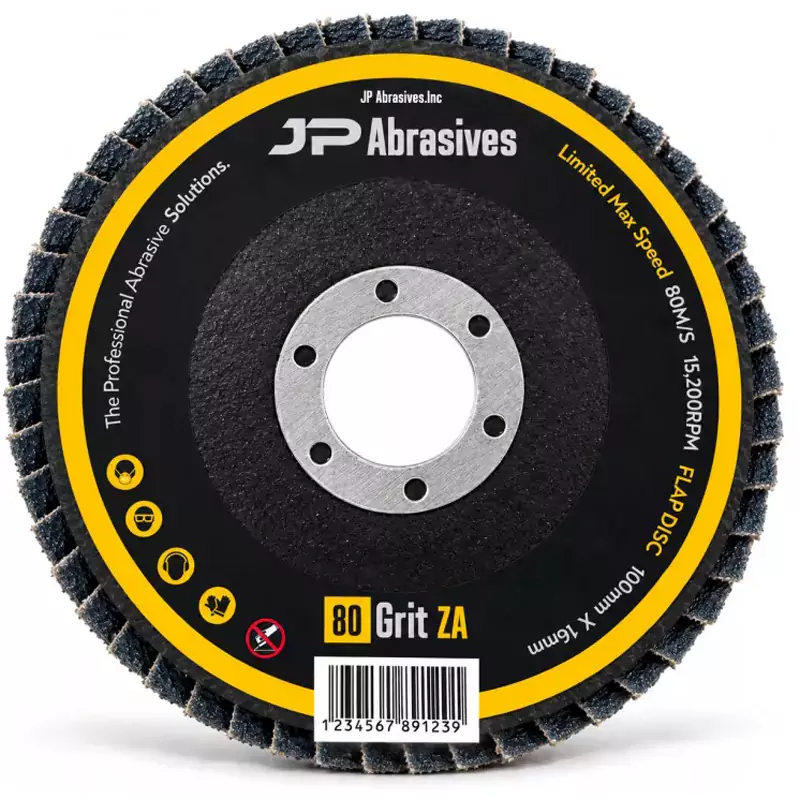
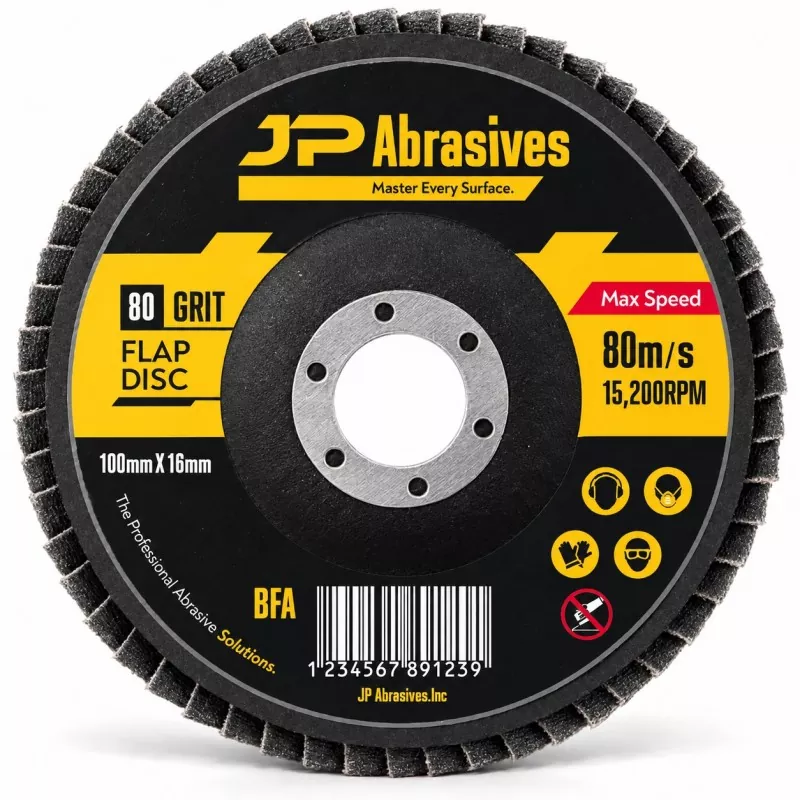
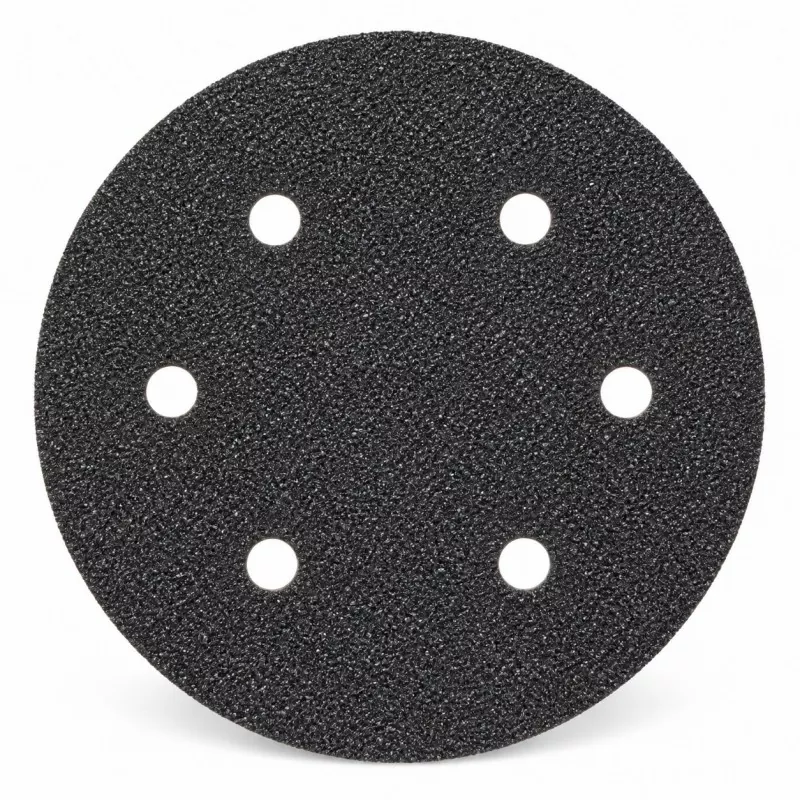
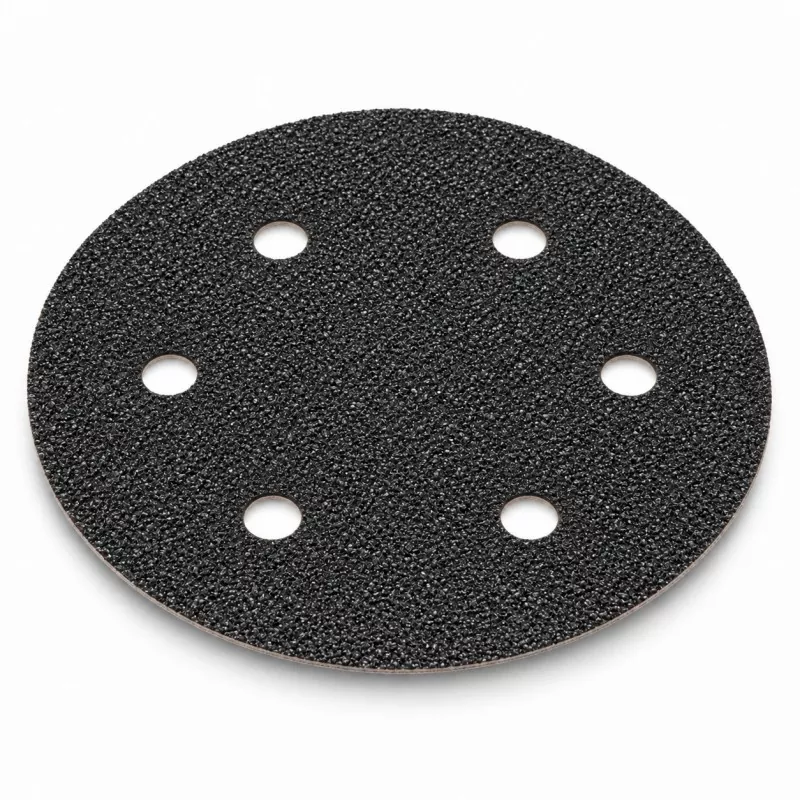
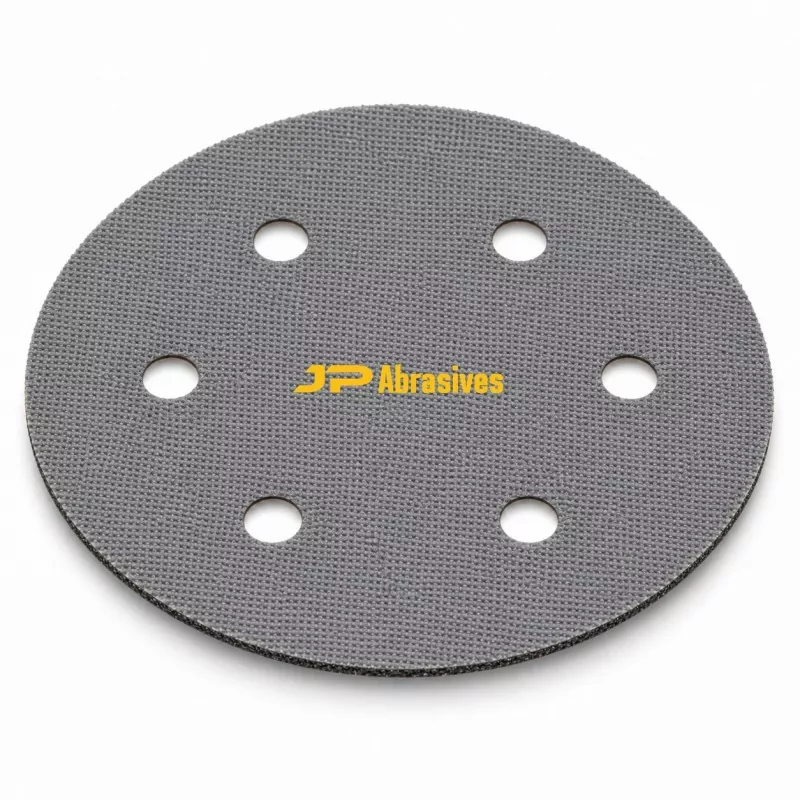
Silicon Carbide Disc
This Silicon Carbide Disc, professionally manufactured by JP Abrasives, is a specialized abrasive designed specifically for glass, stone, and non-ferrous metal materials. Its position within the fiber and coated abrasive series is mainly determined by the compatibility of the materials, rather than its performance level superior to that of alumina, zirconia-alumina, or ceramic alumina.
Silicon carbide offers sharp cutting performance and is suitable for applications that require different response characteristics from traditional steel abrasives. The Silicon Carbide Disc supplied by the JP Abrasives factory is suitable for operations that require control of cutting, grinding, and surface finishing. The abrasive selection depends on the material properties and the target surface condition.
Silicon Carbide Abrasive Technology
| Technical Element | Function in the Product |
| Silicon Carbide Grain | A sharp, hard abrasive selected for controlled cutting and sanding on glass, stone and compatible non-ferrous materials. |
| Sharp Cutting Edges | The abrasive geometry supports efficient penetration at low-to-moderate grinding or sanding pressure, depending on the selected product configuration. |
| Controlled Abrasive Coating | Consistent grain distribution supports predictable material removal and surface development across the working area. |
| Application-Matched Backing | Backing construction is selected according to disc format, material, tool platform and required surface response. |
| Bonding System | The abrasive and backing are integrated through a bonding system configured for the intended disc construction and operating conditions. |
Core Performance Characteristics
• Sharp abrasive action for material systems outside the conventional steel-focused fibre-disc progression.
• Controlled material removal for glass, stone and non-ferrous applications according to the selected disc configuration.
• Suitable for sanding and surface refinement where a clean, responsive cutting action is required.
• Supports fine surface generation when the abrasive grade and process sequence are matched to the required finish.
• Material-driven product selection rather than a simple performance upgrade from aluminum oxide, zirconia or ceramic fibre discs.
• Professional platform for industrial users requiring dedicated abrasive compatibility with non-steel materials.
Material Compatibility
| Material Group | Primary Processing Objective | Selection Focus |
| Glass | Controlled sanding, edge/surface refinement and preparation | Surface condition, abrasive grade, tool configuration and required finish. |
| Stone | Surface sanding, refinement and controlled material removal | Stone type, removal requirement, surface target and operating conditions. |
| Non-Ferrous Materials | Material-specific sanding and surface preparation | Actual alloy/material, loading behavior, required cut and final surface condition. |
The current JP product scope for this page is limited to glass, stone and non-ferrous materials. Additional substrates such as composites, plastics or coatings should only be added to the product page when supported by the applicable JP product configuration and technical documentation.
Recommended Applications
| Application | Application Role |
| Glass Sanding | Controlled abrasive processing of glass surfaces or edges according to the selected grit and tool system. |
| Glass Surface Refinement | Progressive refinement of compatible glass surfaces where scratch control and surface condition are important. |
| Stone Sanding | Sanding and surface correction on compatible stone materials. |
| Stone Surface Preparation | Preparing stone surfaces for subsequent finishing or processing steps. |
| Non-Ferrous Surface Preparation | Preparing compatible non-ferrous materials before downstream finishing, coating or fabrication processes. |
| Controlled Material Removal | Removing material at a controlled rate where sharp cutting action is preferred over heavy steel-grinding behavior. |
| Edge Refinement | Refining edges and transitions on compatible glass, stone or non-ferrous workpieces. |
| Fine Surface Generation | Developing a progressively finer surface through application-matched abrasive grades and process steps. |
Notes for Attention
1. This Silicon Carbide Disc is a cutting-edge grinding wheel made of silicon carbide. It has sharp cutting performance and is primarily suitable for non-steel substrates such as glass and stone. It is not recommended for long-term use on carbon steel or stainless steel for grinding, as it is prone to rapid wear of the abrasive material and poor surface quality of the workpiece.
2. When processing different substrates, it is recommended to use separate grinding wheels to avoid mixing the grinding debris from different materials, which could scratch the workpiece surface and affect the quality and appearance of the finished product.
3. The cutting response is sensitive. During grinding, control the feed pressure and do not apply excessive force to prevent excessive cutting and damage to the edge of the workpiece.
4. During the operation process, hard dust will be generated. The site must maintain ventilation and the operators must wear protective equipment such as dust masks and goggles.
5. Store in a dry and cool environment, away from moisture and oil stains. Prevent the coating from getting damp and softening, which could cause the cutting performance to be lost prematurely.
6. Before assembly, check if the grinding wheel has cracks or missing edges. Do not use damaged grinding wheels on the machine to avoid the risk of fragmentation during operation.
7. Do not use it at a speed exceeding the rated speed. Strictly match the equipment parameters to ensure operational safety and processing stability.
FAQ
1. Is Silicon Carbide Disc suitable for polishing steel?
It mainly targets glass, stone, non-ferrous metals and other non-steel substrates, and is not prioritarily suitable for continuous grinding operations of ordinary steel.
2. What is the core difference between it and alumina and zirconia corundum grinding discs?
The cutting characteristics are sharper, the material removal rate is controllable, and it is oriented towards the surface forming requirements of substrates other than steel.
3. Can it be used in mixed material processing scenarios of various different materials?
It is suitable for maintenance and grinding in mixed material conditions. It is recommended to use one material separately to avoid cross-contamination of debris affecting the surface effect.
4. Does this grinding disc support OEM branding customization?
It supports OEM and private label customization, and is suitable for standardized procurement plans of distributors and supporting manufacturers.
5. How to control the cutting amount when using it to prevent over-grinding of the workpiece?
Its cutting response is relatively sharp. It is recommended to reduce the feed force and process step by step to facilitate the control of surface forming effect.
6. Can distributors prepare goods in batches for standardization?
Yes, it belongs to the coated abrasive system and is a standardized category suitable for long-term stockpiling and distribution by MRO suppliers.
7. Are there any accompanying protective requirements when processing stone and glass?
When grinding, hard dust will be generated. During the operation, it is necessary to wear a dust mask and take ventilation and protective measures.
Send Inquiry
Contact Info
-
Address
China:No.263,Central Street,Dadian Town,Junan County,Linyi City,Shandong Province,China
-
Tel
-
Email