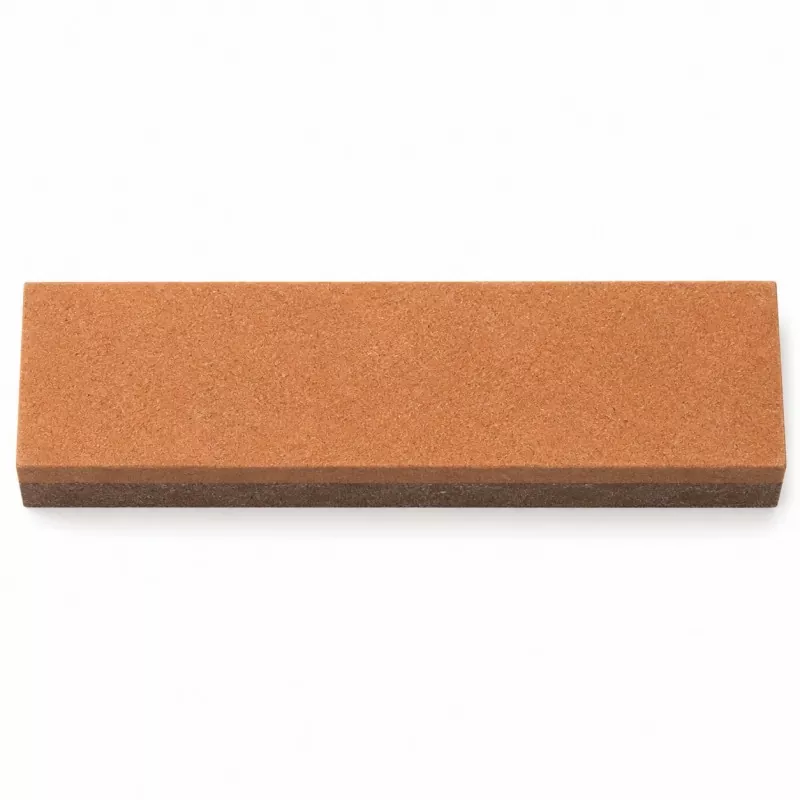
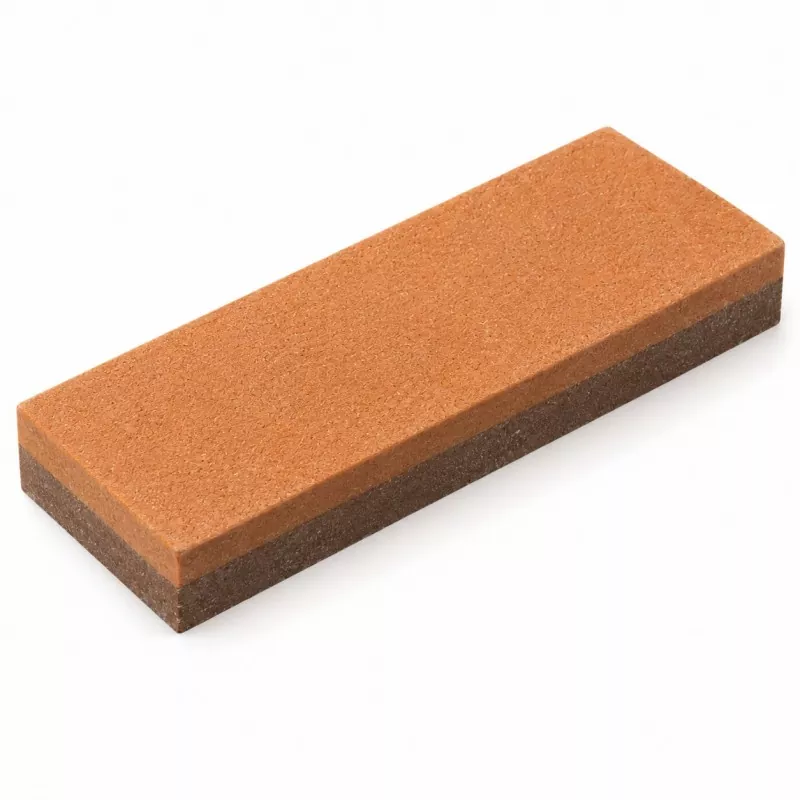
Sharpening Stones
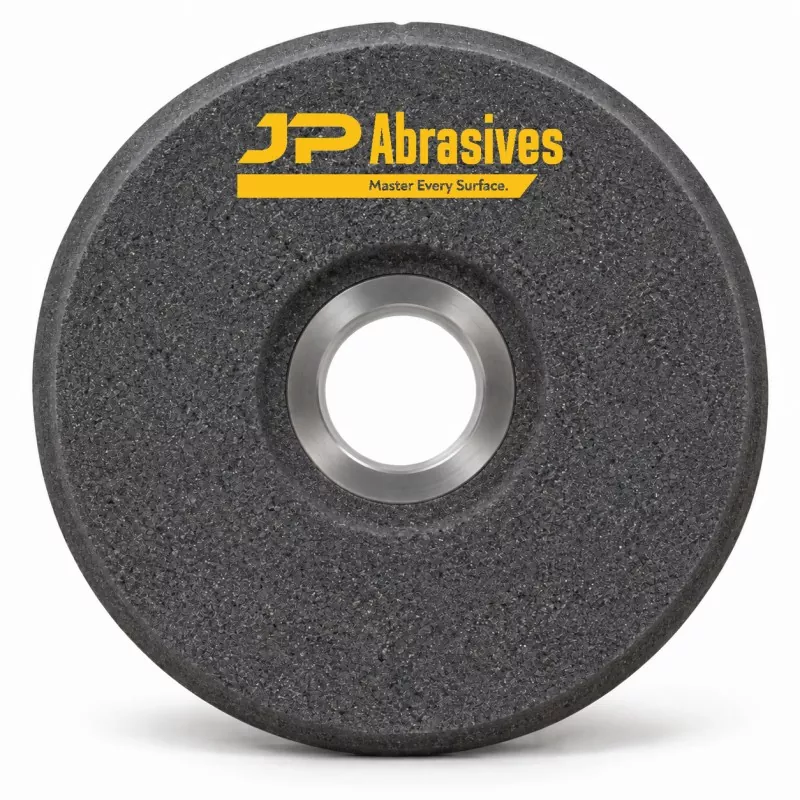
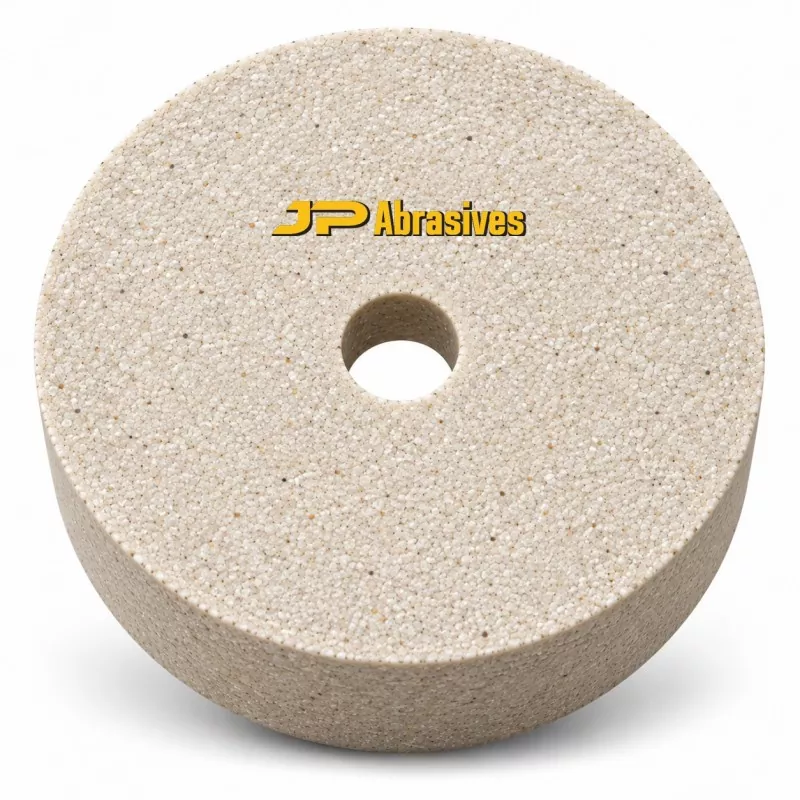
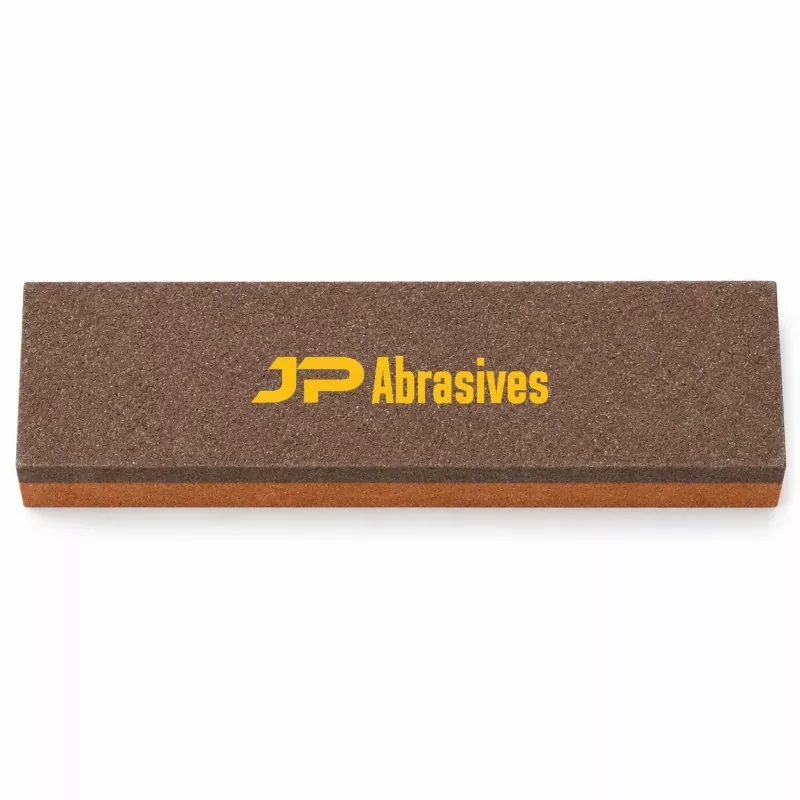
The Sharpening Stones directly sold by Abrasives Factory feature controllable sharpening and fine edge processing, suitable for knife sharpening, contour chamfering, burr removal, and tool maintenance. Relying on a stable abrasive combination system, the grinding force is uniform and easy to control, and it does not excessively cut the edge surface, helping to maintain the regular contour of the edge. The specifications are diverse, suitable for different usage scenarios such as manual sharpening and tool assembly, and balance the sharpening efficiency and the surface effect of the finished product.
Available in aluminum oxide and silicon carbide abrasive systems according to the selected product configuration, the range is intended for applications where controlled abrasive contact and progressive edge conditioning are more important than high-rate stock removal.
The Sharpening Stones provided by JP Abrasives Manufacturer come in two abrasive systems: aluminum oxide and silicon carbide. They are primarily designed for applications requiring controlled contact and progressive edge formation, and do not aim for high-speed cutting removal rates.
The product platform is built around the controllability of edge grinding and the optimization of abrasive ratio, covering the entire process from knife edge repair, fine grinding, and long-term maintenance, and steadily achieving progressive edge surface refinement.
Core Positioning: Controlled Sharpening, Edge Refinement & Tool Maintenance
Clear Separation from Rotating Grinding Wheels
Sharpening Stones belong to a different process category from high-speed rotating grinding wheels. The page is structured around controlled abrasive contact, edge condition and maintenance rather than wheel speed, aggressive grinding or maximum stock removal.
| Rotating Grinding-Wheel Pages | 7.2 Sharpening Stones |
| Grinding and material-removal process | Sharpening and edge-conditioning process |
| Wheel/machine operating system | Controlled stone-to-tool contact |
| Stock removal and grinding productivity | Edge restoration and maintenance |
| Machine/process geometry | Tool edge and sharpening control |
| Grinding-wheel product selection | Abrasive stone and sharpening-stage selection |
Abrasive System Selection
| Abrasive System | Primary Positioning | Selection Logic |
| Aluminum Oxide (AO) | General-purpose sharpening and edge maintenance for applicable steel tools | Selected where routine sharpening, controlled edge restoration and practical workshop maintenance are required. |
| Silicon Carbide (SiC) | Sharp-cutting abrasive option for harder or different material conditions | Selected according to the actual tool material, required cutting response, sharpening stage and selected stone configuration. |
Abrasive selection is based on the actual tool material, existing edge condition, required sharpening action and target edge condition. The product page does not define a universal AO-to-SiC performance hierarchy; the two abrasive systems serve different material and sharpening requirements.
Sharpening Process Logic
Tool Condition → Abrasive Selection → Sharpening Stage → Edge Refinement → Maintenance Cycle
Sharpening is a controlled edge-conditioning process. Product selection begins with the tool and its current edge condition, then matches abrasive system and abrasive grade to the required sharpening stage and desired working edge.
| Process Variable | Selection Focus |
| Tool / Workpiece | Tool material and intended function |
| Existing Edge Condition | Dull edge, worn edge or edge requiring refinement |
| Abrasive System | AO or SiC according to material and sharpening response |
| Abrasive Grade / Grit | Amount of edge correction and required refinement |
| Stone Size / Shape | Tool geometry, contact area and sharpening method |
| Sharpening Stage | Edge restoration, refinement or routine maintenance |
| Target Edge Condition | Required working-edge quality after sharpening |
| Maintenance Frequency | Routine workshop use or scheduled tool reconditioning |
Primary Applications
| Application | Application Role |
| Tool Sharpening | Restoring a functional cutting edge through controlled abrasive action. |
| Edge Refinement | Progressively refining an edge after initial correction or sharpening. |
| Edge Maintenance | Maintaining an established working edge during routine tool use. |
| Hand Sharpening | Controlled manual sharpening where direct contact and operator feedback are part of the process. |
| Tool Reconditioning | Restoring usable edge condition as part of tool service and maintenance. |
| Workshop Maintenance | General abrasive-stone use for recurring sharpening and edge-care tasks in industrial and professional workshops. |
Core Performance Characteristics
• Controlled abrasive contact focused on the tool edge rather than high-rate material removal.
• Progressive edge conditioning through application-matched abrasive and grade selection.
• AO and SiC abrasive systems provide distinct material and sharpening-response options.
• Suitable for sharpening, refinement and maintenance stages within professional tool-care workflows.
• Stone size, shape and abrasive configuration can be matched to the selected tool and sharpening method.
• PROFESSIONAL positioning centered on repeatable sharpening behavior and practical maintenance performance.
Buyer Value
Controlled edge restoration and repeatable sharpening performance for professional tool maintenance.
The purchasing value of a sharpening stone is measured by control at the edge, consistency through repeated maintenance cycles and suitability for the actual tool. The objective is not maximum cutting speed or maximum stock removal; it is to restore and maintain a functional edge with a predictable sharpening process.
| Value Driver | Buyer / Maintenance Value |
| Edge Control | Abrasive action focused on restoring and refining the working edge. |
| Sharpening Consistency | Supports repeatable maintenance procedures across recurring tool-care tasks. |
| Tool Maintenance | Extends the useful maintenance cycle by restoring edge condition when appropriate. |
| Abrasive Choice | AO and SiC provide different sharpening responses for application-specific selection. |
| Workshop Practicality | Supports routine professional maintenance without positioning the product as a high-speed grinding wheel. |
Target Buyers & Use Environments
• Industrial maintenance and MRO departments
• Machine shops and fabrication workshops
• Tool rooms and maintenance benches
• Professional workshops performing routine tool sharpening
• Industrial distributors and abrasive suppliers
• OEM and private-label sharpening-stone programs
• Manufacturing operations with recurring edge-maintenance requirements
FAQ
1. Which types of tools are these abrasive stones suitable for sharpening?
The aluminum oxide model is suitable for general steel cutting tools, while the silicon carbide model is more suitable for hard alloys and other high-hardness workpieces.
2. Does this Sharpening Stone need to be used with coolant?
It can be used dry. In some precision grinding scenarios, using clean water can reduce heat generation and improve the grinding effect.
3. Can the shape and size of the sharpening stone be customized?
Customized specifications are supported. The shape can be adjusted according to the requirements of tooling fixtures and handheld operations.
4. What is the core difference between this and high-cutting abrasive products?
It focuses on progressive fine sharpening, with stronger controllability, and does not aim to remove material quickly and in large quantities.
5. Do the new sharpening stones need pre-treatment after receiving?
New products can be used directly. If the surface flatness is insufficient, a simple leveling can be done first.
6. How should the sharpening stone be maintained for long-term storage?
Clean the surface debris after use, place it in a dry and ventilated place, and avoid long-term immersion in water.
7. Can samples be tested first before bulk purchasing?
Sample testing is supported. After verifying the grinding effect of the cutting edge, a batch order can be arranged.
Send Inquiry
Contact Info
-
Address
China:No.263,Central Street,Dadian Town,Junan County,Linyi City,Shandong Province,China
-
Tel
-
Email
Related Products